

 By Coco
Complete Cost Comparison, Tables, Applications, Manufacturers, and Price Guide
If you are sourcing metal parts from China manufacturers, suppliers, foundries, or factories, one of the most important decisions is choosing the right production process.
The three most widely used methods are:
- Investment casting
- Forging
- Die casting
Each process has different advantages in strength, cost, precision, tooling, and production volume.
This complete guide compares investment casting vs forging vs die casting, with detailed tables, cost analysis, applications, and buyer guidance to help you select the best option for your project.
⭐ Featured Snippet Answer
What is the difference between investment casting, forging, and die casting?
- Investment casting is best for complex, high-precision metal parts with excellent surface finish.
- Forging is best for maximum strength and durability.
- Die casting is best for large-volume production with the lowest unit price.
Simple rule:
- Complex shape → Investment casting
- High strength → Forging
- High volume + low cost → Die casting
🔧 What Is Investment Casting?
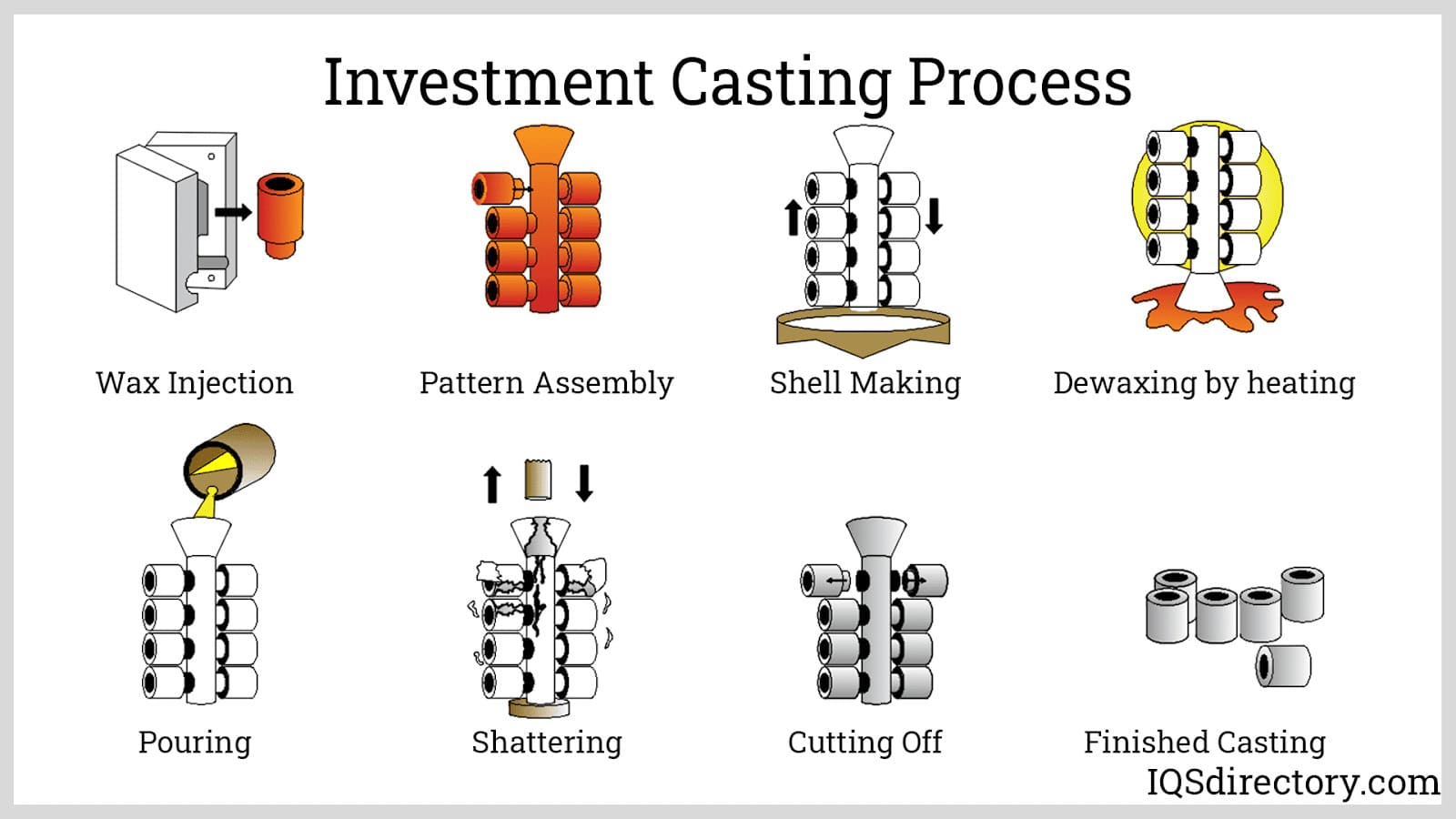
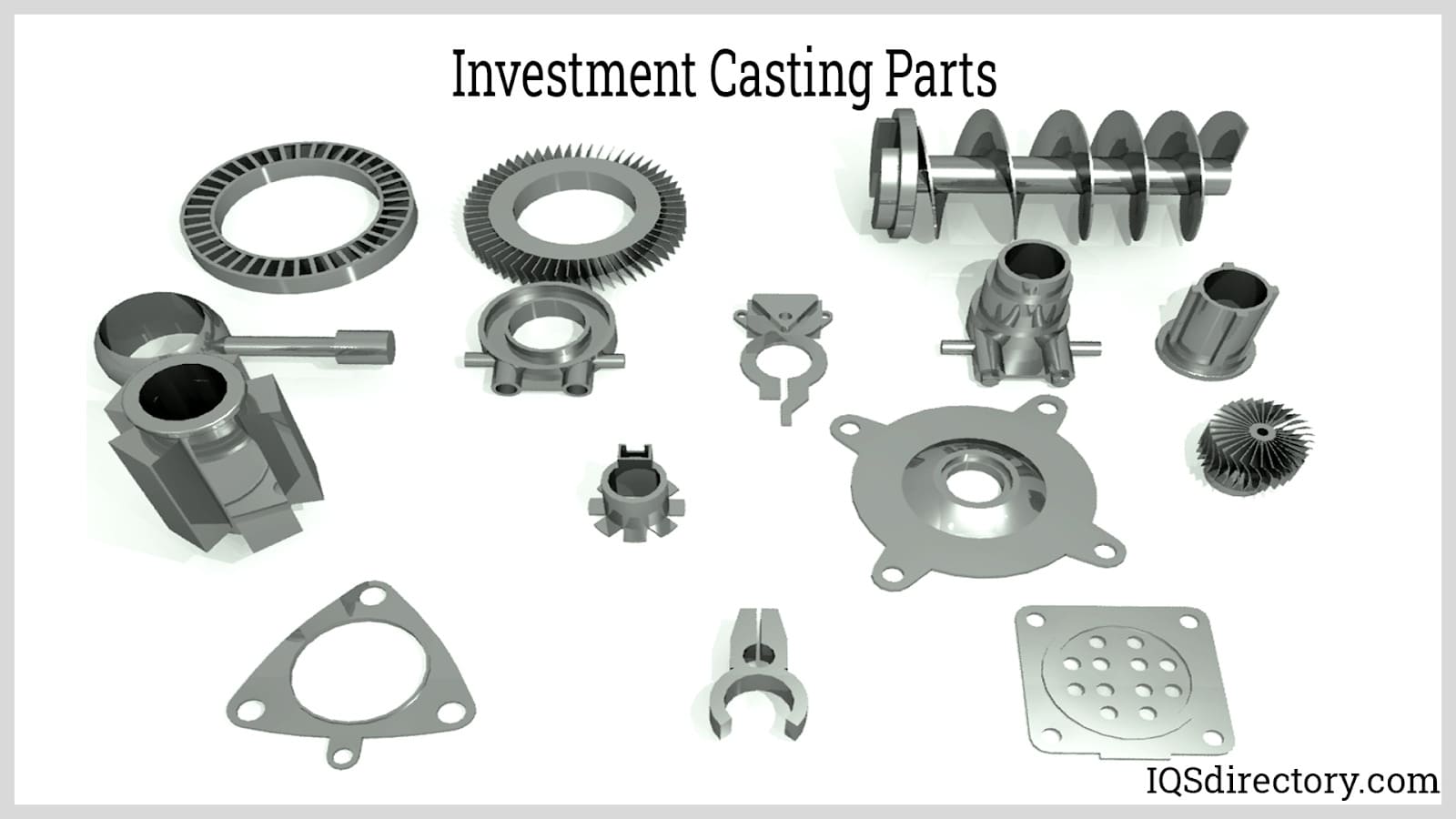

Investment casting, also called lost wax casting, is a precision manufacturing process where a wax pattern is coated with ceramic material. After the wax is removed, molten metal is poured into the cavity.
This process is widely used by investment casting manufacturers and China foundries because it can create very complex parts with tight tolerances.
Common materials
- Stainless steel
- Carbon steel
- Alloy steel
- Aluminum
- Brass
- Superalloys
Typical products
- Valve bodies
- Pump impellers
- Turbine blades
- Automotive brackets
- Precision OEM metal parts
🔨 What Is Forging?
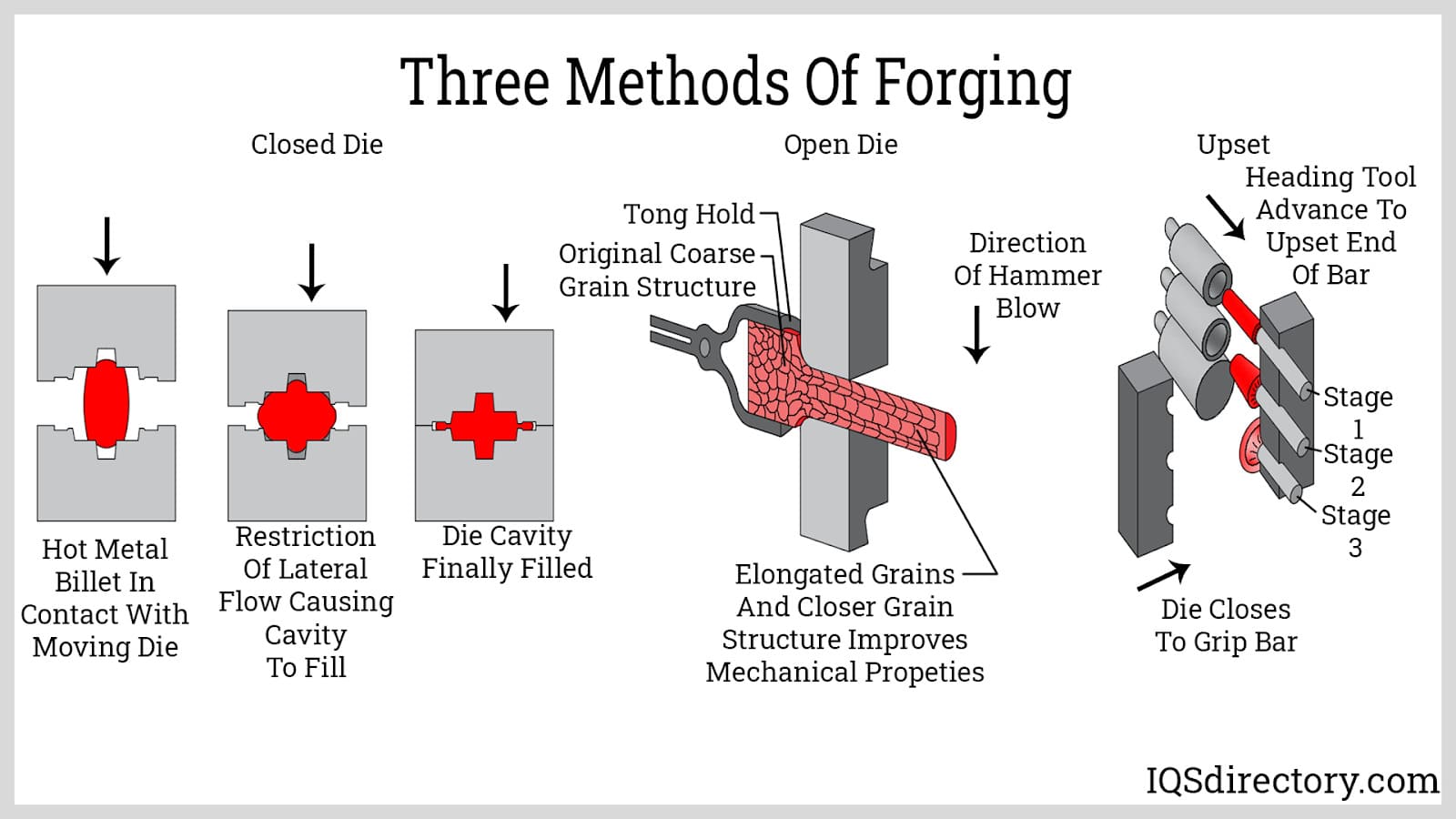


Forging is a process where metal is shaped by compressive force, usually under heat.
The grain structure of the metal flows with the shape of the part, which makes forged products extremely strong.
This is why forging suppliers and manufacturers are commonly used for heavy-duty parts.
Typical forged products
- Crankshafts
- Connecting rods
- Gears
- Axles
- Heavy machinery parts
⚙️ What Is Die Casting?
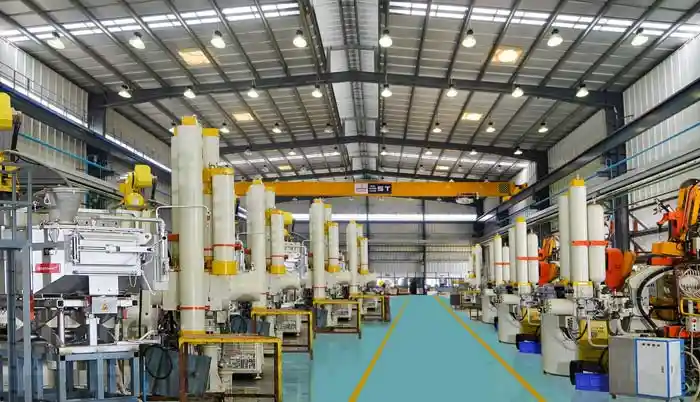


Die casting is a high-speed manufacturing process where molten metal is injected into a steel mold under high pressure.
It is widely used by die casting factories and exporters for aluminum and zinc parts.
Common products
- Motor housings
- Electronics enclosures
- Automotive covers
- Consumer hardware parts
📊 Complete Comparison Table
| Factor | Investment Casting | Forging | Die Casting |
|---|---|---|---|
| Precision | Very high | Medium | High |
| Surface finish | Excellent | Rough | Very good |
| Strength | High | Highest | Medium |
| Complexity | Highest | Low | High |
| Tooling cost | Medium | Medium-high | High |
| Unit cost | Medium | Medium | Low (high volume) |
| Best material | Steel / stainless | Steel / alloy | Aluminum / zinc |
| MOQ | Flexible | Medium | High |
💰 Cost Analysis: Which Is Cheapest?
Cost depends on tooling + unit production cost + volume.
1. Investment Casting Cost
| Cost Item | Typical Price |
|---|---|
| Tooling / mold | $500 – $5,000 |
| Small part unit price | $2 – $15 |
| Complex part price | $20 – $100+ |
Best for
- Small to medium production
- OEM custom products
- Complex shapes
This is why many buyers choose China investment casting manufacturers for custom export projects.
2. Forging Cost
| Cost Item | Typical Price |
|---|---|
| Tooling | $2,000 – $20,000 |
| Simple forged part | $5 – $30 |
| Heavy-duty part | $50 – $300+ |
Forging becomes economical when:
- strength is critical
- machining is acceptable
- order quantity is medium to high
3. Die Casting Cost
| Cost Item | Typical Price |
|---|---|
| Mold tooling | $5,000 – $50,000+ |
| Unit cost (large volume) | $0.5 – $5 |
| Unit cost (small volume) | High |
The mold cost is high, but once production scales, the price per part becomes the lowest.
This is why die casting factories focus on mass production export orders.
📈 Real Volume Cost Comparison
Let’s compare the same metal bracket.
Small Order: 1,000 pcs
| Process | Total Cost | Unit Cost |
|---|---|---|
| Investment casting | $5,000 | $5.0 |
| Forging | $6,500 | $6.5 |
| Die casting | $9,000 | $9.0 |
👉 Winner: Investment casting
Large Order: 100,000 pcs
| Process | Total Cost | Unit Cost |
|---|---|---|
| Investment casting | $300,000 | $3.0 |
| Forging | $250,000 | $2.5 |
| Die casting | $120,000 | $1.2 |
👉 Winner: Die casting
🏭 Which Process Is Best by Product Type?
Pump and Valve Parts


Best choice: Investment casting
Reason:
- complex internal flow channels
- stainless steel
- high precision
Heavy Machinery Parts


Best choice: Forging
Reason:
- high load-bearing strength
- fatigue resistance
Automotive Aluminum Housings


Best choice: Die casting
Reason:
- lightweight
- mass production
- lower price
🌍 Why China Manufacturers Are Competitive
China is one of the strongest global bases for:
- investment casting foundries
- forging factories
- die casting manufacturers
Advantages include:
Lower production price
Factory labor and tooling cost are highly competitive.
Strong export experience
China exporters serve:
- USA
- Europe
- Middle East
- Southeast Asia
Full OEM service
Many suppliers offer:
- design optimization
- sample development
- machining
- surface treatment
- export packaging
🧠 How Buyers Should Decide
Use this fast decision guide:
Choose investment casting if:
- shape is complex
- steel material needed
- medium volume
- better surface finish required
Choose forging if:
- strength is most important
- part takes heavy load
- fatigue resistance matters
Choose die casting if:
- aluminum / zinc
- large quantity
- low unit price needed
📌 Final Buyer Recommendation
| Priority | Best Process |
|---|---|
| Lowest tooling | Investment casting |
| Strongest part | Forging |
| Lowest mass production price | Die casting |
| Best for export OEM | Investment casting |
| Best for aluminum housing | Die casting |
❓ FAQ (Schema Ready)
Which is cheaper, forging or casting?
Casting is usually cheaper for complex parts and lower quantities, while forging becomes more economical for high-strength medium-volume parts.
Is die casting stronger than forging?
No. Forging is significantly stronger because it improves the metal grain structure.
Why do China manufacturers prefer investment casting?
Because it balances price, precision, and export flexibility.
Which process is best for pump parts?
Investment casting is generally the best option.
Which process is best for aluminum products?
Die casting is usually the best choice.
✅ Final Conclusion
There is no single “best” process.
The right choice depends on:
- product structure
- material
- order quantity
- performance requirements
- target price
For most global buyers:
- Investment casting = best balance
- Forging = strongest
- Die casting = cheapest at scale
Working with experienced China manufacturers, suppliers, exporters, and foundries can significantly improve both quality and cost competitiveness.

Get Premium Casting Products
Join FoundryQueen.com Newsletter to get more information of different premium OEM Casting products in China.


