

 By Coco
Complete Comparison + Cost Analysis
Choosing the right metal manufacturing process directly impacts product performance, cost, and scalability.

The three most common processes—investment casting, forging, and die casting—each serve very different purposes.
⚙️ 1. Quick Comparison Table
| Factor | Investment Casting | Forging | Die Casting |
|---|---|---|---|
| Precision | ⭐⭐⭐⭐⭐ (Very high) | ⭐⭐⭐ (Medium) | ⭐⭐⭐⭐ (High) |
| Surface Finish | Excellent | Rough (needs machining) | Very good |
| Strength | High | ⭐⭐⭐⭐⭐ (Highest) | Medium |
| Complexity | ⭐⭐⭐⭐⭐ | ⭐⭐ | ⭐⭐⭐⭐ |
| Material Range | Steel, stainless, alloys | Steel, aluminum | Mostly aluminum, zinc |
| Tooling Cost | Medium | Medium–High | High |
| Unit Cost | Medium | Low–Medium | Very low (high volume) |
| Best Volume | Medium | Medium–High | High (mass production) |
🏭 2. Investment Casting (Lost Wax Casting)


✅ Key Advantages
- Extremely high precision and detail
- Excellent surface finish (less machining)
- Ideal for complex geometries
- Works with many metals (steel, stainless steel, superalloys)
❌ Limitations
- Slower production cycle
- Higher cost than die casting for large volumes
💰 Cost Analysis (China Foundry Level)
| Cost Element | Level |
|---|---|
| Tooling | $500 – $5,000 |
| Unit Price (small parts) | $2 – $15 |
| Unit Price (complex parts) | $20 – $100+ |
👉 Best ROI: Medium volume + complex parts
📌 Typical Applications
- Turbine blades
- Valve & pump parts
- Automotive precision parts
- OEM machinery components
🔨 3. Forging
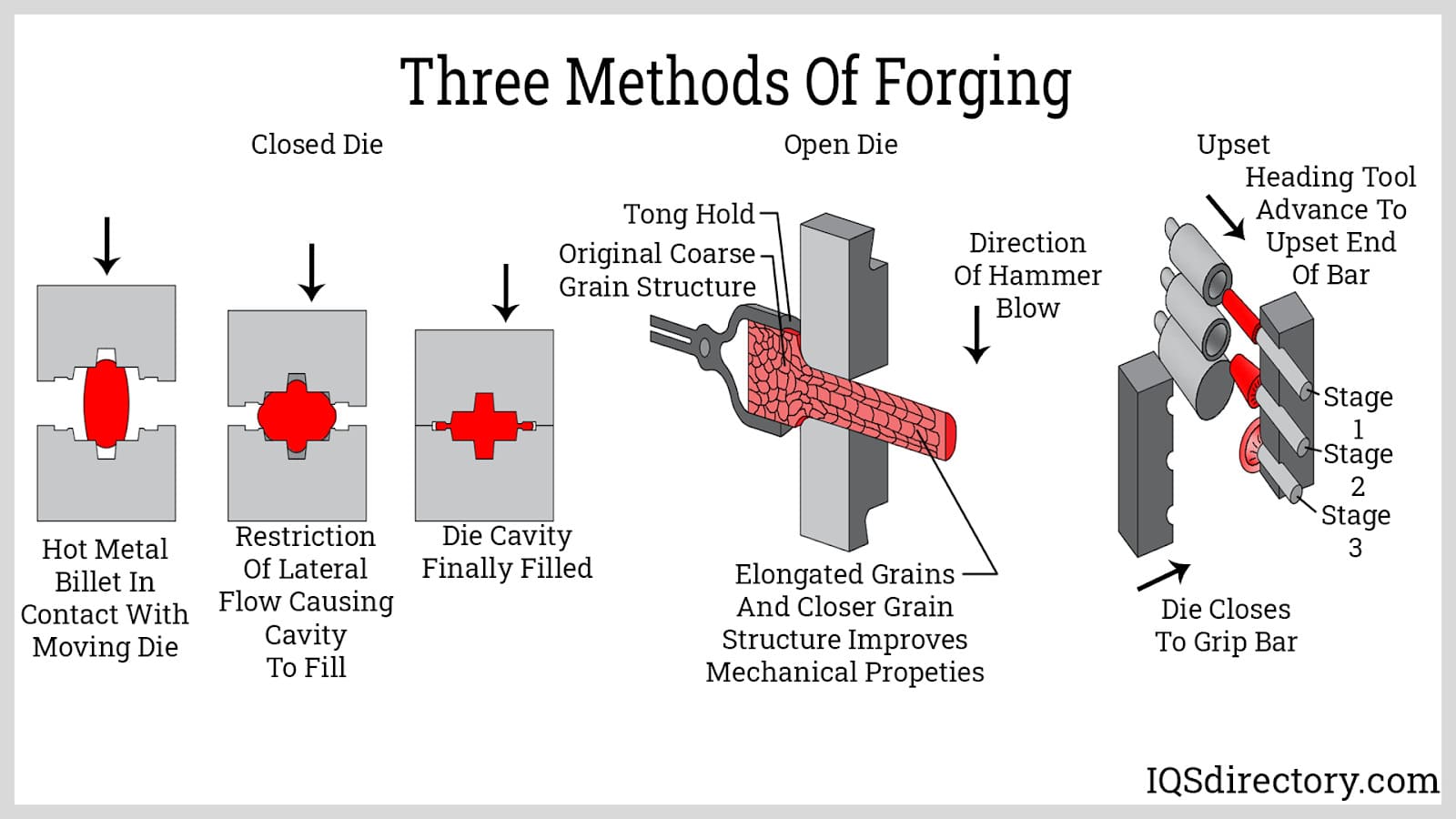


✅ Key Advantages
- Highest strength and durability
- Grain structure improves mechanical properties
- Excellent for load-bearing parts
❌ Limitations
- Limited shape complexity
- Requires more machining
- Higher tooling cost for complex dies
💰 Cost Analysis
| Cost Element | Level |
|---|---|
| Tooling | $2,000 – $20,000 |
| Unit Price (simple parts) | $5 – $30 |
| Unit Price (heavy parts) | $50 – $300+ |
👉 Best ROI: High-strength parts + medium/high volume
📌 Typical Applications
- Crankshafts
- Gears
- Connecting rods
- Heavy machinery parts
⚡ 4. Die Casting

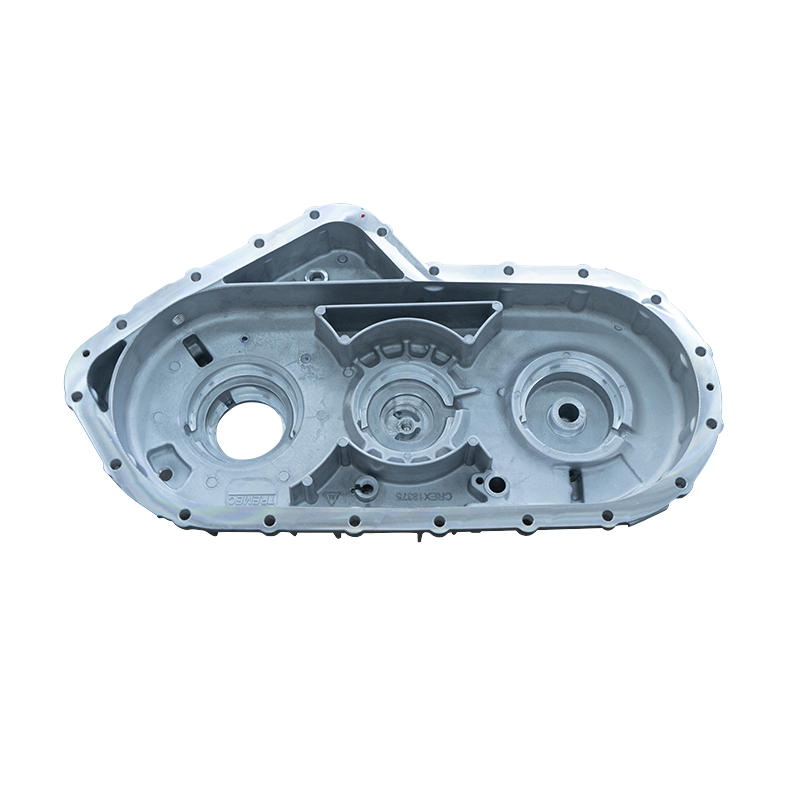

✅ Key Advantages
- Very fast production
- Excellent dimensional consistency
- Low unit cost at scale
- Smooth surface finish
❌ Limitations
- High initial mold cost
- Limited to non-ferrous metals (aluminum, zinc)
- Lower strength than forging
💰 Cost Analysis
| Cost Element | Level |
|---|---|
| Tooling | $5,000 – $50,000+ |
| Unit Price (high volume) | $0.5 – $5 |
| Unit Price (low volume) | High (not economical) |
👉 Best ROI: Large volume mass production
📌 Typical Applications
- Automotive housings
- Electronics enclosures
- Consumer products
- Lightweight structural parts
📊 5. Cost Comparison (Real Business View)
| Scenario | Best Process | Reason |
|---|---|---|
| Small batch (100–1,000 pcs) | Investment Casting | Low tooling + flexibility |
| Medium batch (1,000–50,000 pcs) | Forging / Investment Casting | Balance cost & strength |
| Mass production (50,000+) | Die Casting | Lowest unit cost |
| Complex geometry | Investment Casting | No machining needed |
| High strength required | Forging | Strongest structure |
| Lightweight aluminum parts | Die Casting | Fast + cheap |
💡 6. Real Cost Example (Same Part, Different Processes)
Let’s say you produce a metal bracket (5,000 pcs):
| Process | Total Cost | Unit Cost | Notes |
|---|---|---|---|
| Investment Casting | $25,000 | $5.0 | Minimal machining |
| Forging + Machining | $30,000 | $6.0 | Stronger but more steps |
| Die Casting | $40,000 | $8.0 | High mold cost not amortized |
👉 Now increase to 100,000 pcs:
| Process | Total Cost | Unit Cost |
|---|---|---|
| Investment Casting | $300,000 | $3.0 |
| Forging | $250,000 | $2.5 |
| Die Casting | $120,000 | $1.2 |
👉 Conclusion:
- Low volume → Investment casting wins
- High volume → Die casting dominates
🌍 7. China Manufacturers & Supplier Strategy
If you are sourcing from China foundries or factories, here’s how it usually works:
Investment Casting Suppliers
- Strong in stainless steel & OEM parts
- Flexible MOQ
- Best for exporters and custom buyers
Forging Manufacturers
- Focus on heavy-duty industrial parts
- Require higher MOQ
- Competitive pricing for bulk
Die Casting Factories
- Large-scale automated production
- High upfront mold investment
- Best for long-term stable orders
🧠 8. How to Choose (Simple Rule)
👉 Use this shortcut:
- Complex + precise → Investment Casting
- Strong + durable → Forging
- Cheap + high volume → Die Casting
✅ Final Conclusion
Each process serves a different business goal:
- Investment Casting → Best for precision, complex shapes, and medium volumes
- Forging → Best for strength-critical applications
- Die Casting → Best for large-scale, cost-efficient production
For most global buyers, the smartest strategy is not choosing one—but combining processes depending on product type and order size, especially when working with experienced China manufacturers, suppliers, and exporters.
❓ FAQ
1. Which is cheaper: casting or forging?
Casting is usually cheaper for complex parts, while forging becomes cheaper for high-volume simple parts.
2. Is die casting stronger than forging?
No. Forging produces the strongest parts due to grain structure alignment.
3. Why is investment casting expensive?
Because of multiple steps (wax, ceramic shell), but it reduces machining cost.
4. Which process is best for OEM parts?
Investment casting is often best for OEM customization.
5. Can China manufacturers handle all three processes?
Yes, many China factories offer investment casting, forging, and die casting under one supply chain.

Get Premium Casting Products
Join FoundryQueen.com Newsletter to get more information of different premium OEM Casting products in China.


