Glass Railing Systems

Compare Balcony, Stair and Pool Fence Arrangements with Foundry Queen.

Glass Railing Systems and Product Configuration Selection.

Glass railing systems connect panels, supports and the building or site around them. A balcony run, an inclined stair and a pool perimeter have different layouts and interfaces. Compare the appropriate family below, then review the actual panel, support and gate arrangement for the project. Foundry Queen enquiries should include a layout, accepted glass schedule, mounting details and required quantities. Product photographs illustrate configurations rather than verified Foundry Queen installations. Confirm the complete design and the requirements that apply to the actual location before selecting the final hardware and glass.

Glass Railing Systems
Configuration and Supply Review

Glass Railing Systems for Your Project Requirements

Compare Glass Railing Systems
by the Selected Drawing

Review the key configuration points:

  • Identify the function and selected product form
  • Confirm dimensions and mating interfaces
  • Specify material, finish and documentation
  • Agree the drawing and complete supply scope

Plan Your Glass Railing Systems Enquiry

Explore Related Product News and Articles.

CN 218532382 U A Valve Handle Alignment Device

CN 218532382 U A Valve Handle Alignment Device should be reviewed as an engineering subject: function, drawing requirements, manufacturability, inspection and repeat-order control. This guide gives foundryqueen buyers a clear checklist for discussing the topic with a metal casting supplier. Review casting capabilities, browse related products, or send drawings through quotation support. Engineering Review for […]

CN 215616625 U A Horizontal Machining Fixture for Easy Processing of Large Workpieces

CN 215616625 U A Horizontal Machining Fixture for Easy Processing of Large Workpieces should be reviewed as an engineering subject: function, drawing requirements, manufacturability, inspection and repeat-order control. This guide gives foundryqueen buyers a clear checklist for discussing the topic with a metal casting supplier. Review casting capabilities, browse related products, or send drawings through […]

CN 221135537 U A Kind of High-efficiency Shot Blasting Device

CN 221135537 U A Kind of High-efficiency Shot Blasting Device should be reviewed as an engineering subject: function, drawing requirements, manufacturability, inspection and repeat-order control. This guide gives foundryqueen buyers a clear checklist for discussing the topic with a metal casting supplier. Review casting capabilities, browse related products, or send drawings through quotation support. Engineering […]

CN 215615157 U A Rotatable Turning Fixture

CN 215615157 U A Rotatable Turning Fixture should be reviewed as an engineering subject: function, drawing requirements, manufacturability, inspection and repeat-order control. This guide gives foundryqueen buyers a clear checklist for discussing the topic with a metal casting supplier. Review casting capabilities, browse related products, or send drawings through quotation support. Engineering Review for CN […]

CN 215440367 U A Wax Grinding Recycling Device Utilizing Industrial Heat Recovery

CN 215440367 U A Wax Grinding Recycling Device Utilizing Industrial Heat Recovery should be reviewed as an engineering subject: function, drawing requirements, manufacturability, inspection and repeat-order control. This guide gives foundryqueen buyers a clear checklist for discussing the topic with a metal casting supplier. Review casting capabilities, browse related products, or send drawings through quotation […]

CN 114682742 B A Kind of Sand Core Mold and Casting Mold for Preparing Sand Core Molds

CN 114682742 B A Kind of Sand Core Mold and Casting Mold for Preparing Sand Core Molds should be reviewed as an engineering subject: function, drawing requirements, manufacturability, inspection and repeat-order control. This guide gives foundryqueen buyers a clear checklist for discussing the topic with a metal casting supplier. Review casting capabilities, browse related products, […]

Stay Updated on Product Configuration and Selection

Explore Product Details and
Prepare Your Configuration Enquiry.

Balcony Glass Railing System

Complete Railing Arrangement

Product selection note

Review the glass panels, supporting fittings, anchors and substrate as a complete arrangement. Balcony and stair layouts need project dimensions, edge conditions and a clear load path. The appearance of an individual fitting does not establish compliance or the capacity of the installed barrier.

Frameless Glass Pool Fence

Pool Boundary Requirements

Product selection note

Confirm the project-specific pool barrier requirements before selecting a panel and gate arrangement. Check openings, access control, fixing positions and the surrounding surfaces with the responsible designer. A frameless visual style does not by itself demonstrate that the installed pool enclosure meets local requirements.

Stair Glass Railing System

Stair Interface Planning

Product selection note

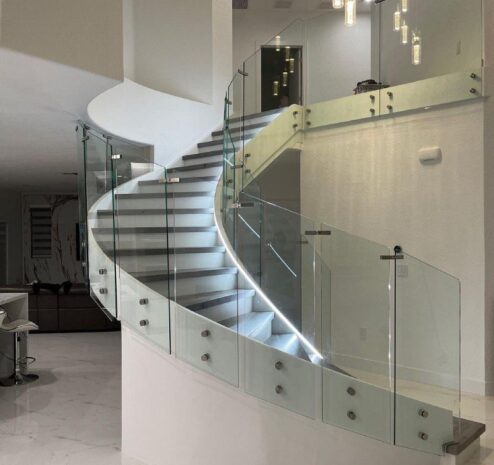
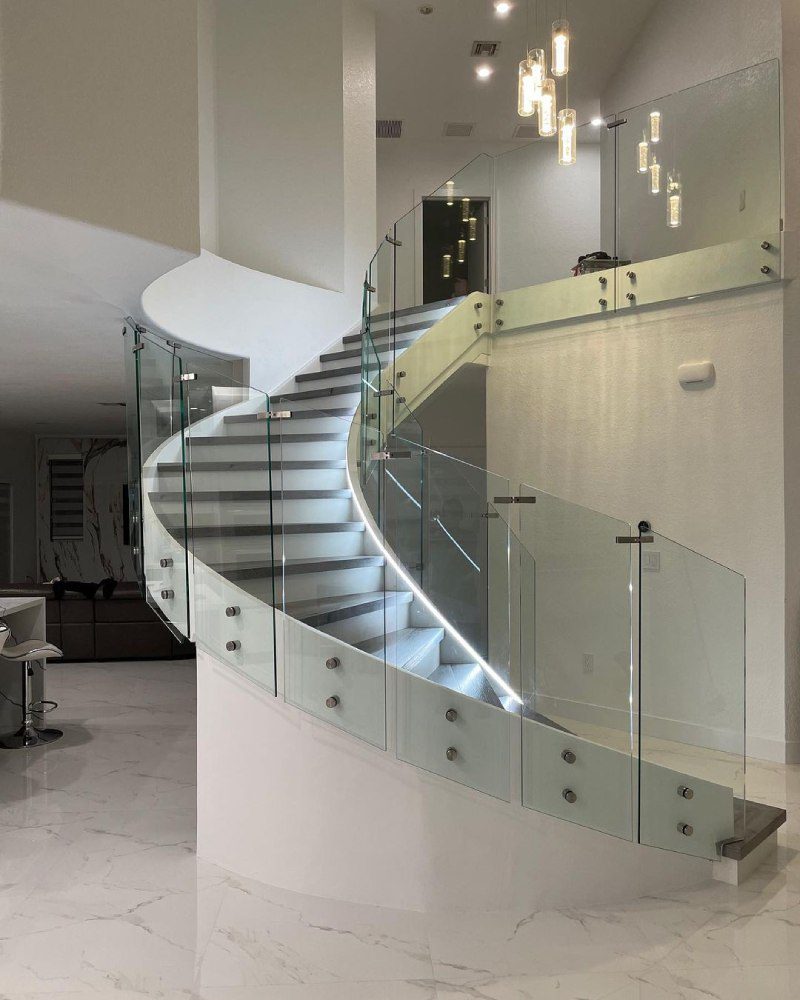
Provide the stair pitch, landings, panel geometry and mounting locations. Review handrail and glass interfaces with the installation sequence, edge clearances and supporting structure. Resolve the actual fitting dimensions and fastener scope before manufacture rather than scaling dimensions from a product photograph.

Balcony Glass Railing System

Exposure and Finish Selection

Product selection note

Identify indoor, exterior, coastal or poolside exposure when specifying fittings and finishes. Match material documentation and maintenance requirements to the intended environment. Confirm the complete supply scope, including gaskets and fixings, and request relevant project evidence instead of assuming performance from a finish name.

Questions and Answers on Glass Railing Systems

How is a complete glass railing arrangement defined?

A glass railing is an assembly of panels, supports, connections and supporting construction. The visible fitting is only one part of that arrangement. Begin with the project layout and identify level runs, inclined flights, corners and landing transitions. Confirm whether the selected system uses spigots, posts, point fixings or a base rail. These support forms require different panel and mounting details. The illustration provides a configuration reference and is not a fabrication drawing or evidence that a proposed assembly meets a particular project requirement.

What matters at a balcony edge?

For a balcony run, show the supporting edge in plan and section. Identify the substrate, mounting surface, fixing access and adjacent finishes. Coordinate the panel layout with support positions and changes in direction. Where waterproofing or drainage interfaces occur, resolve those details with the responsible project team. Confirm the complete glass build-up and support arrangement against the accepted design. Do not select a universal glass thickness from a general catalogue table, because the complete geometry and applicable project requirements need to be considered.

How does a stair layout affect the panels?

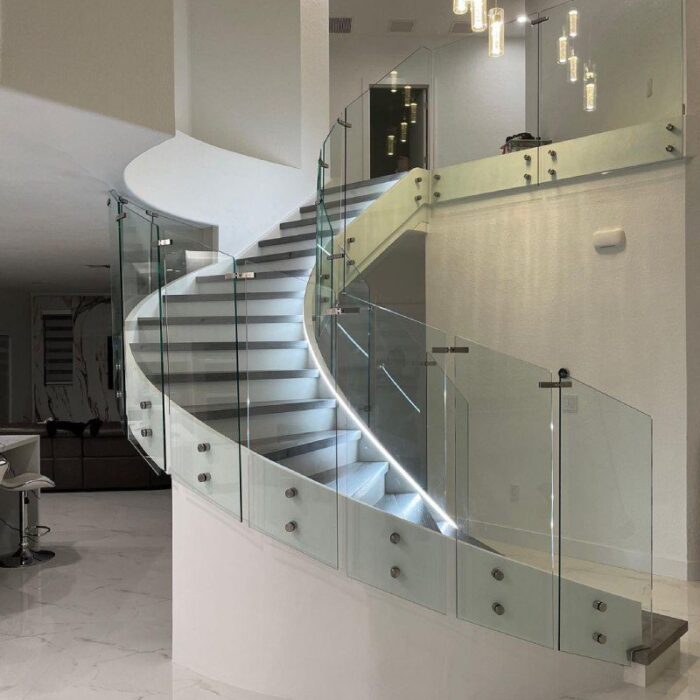
A stair railing introduces incline and transitions that are absent from a level run. Record the flight angle, landing levels, panel shapes and support locations on the same drawing. Identify handrail interfaces and how the arrangement continues through a change in direction. Hole patterns and notches should follow the accepted glass fabrication drawing. A visually similar panel can have a different support pattern or edge condition, so confirm each position rather than repeating one detail across the entire stair.

What should a pool fence plan include?

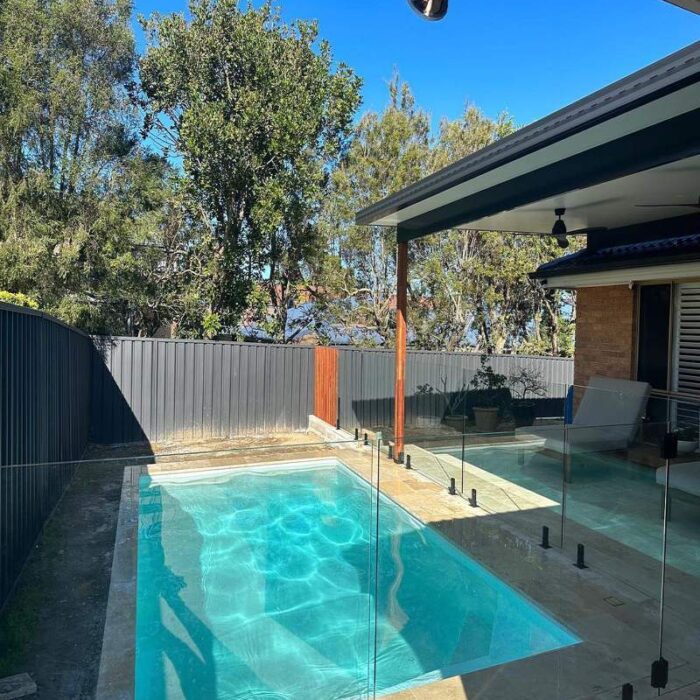
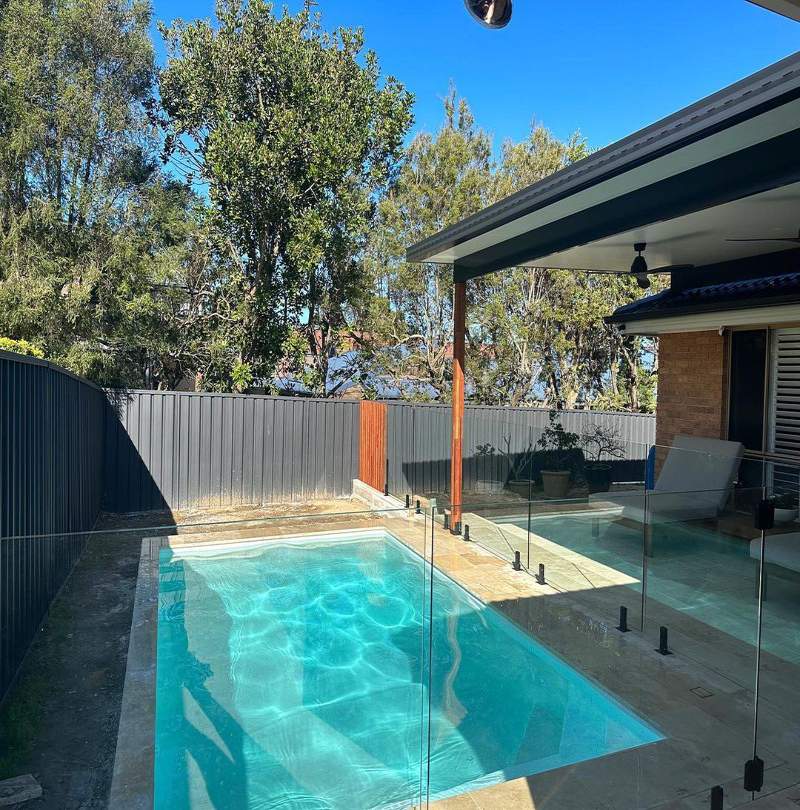
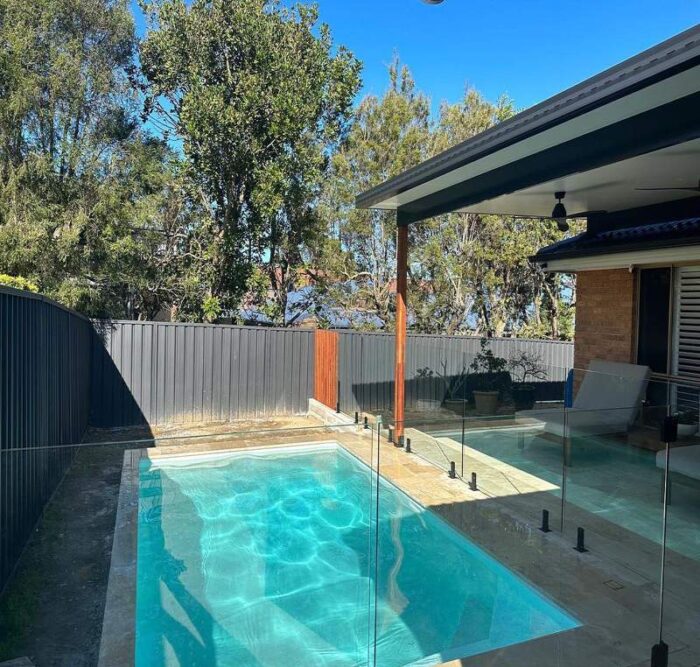
A pool fence enquiry should begin with a perimeter plan that identifies access points and the relationship to surrounding construction. Panel supports, gates and their operating hardware belong to the same barrier review. The referenced photograph shows a frameless glass arrangement with base-mounted spigots. It does not establish that every illustrated detail is suitable for a different site. State the project location and obtain the requirements that apply to the actual installation before finalising the panel and hardware schedule.

How should the drawing revision be controlled?

Keep the selected configuration on a controlled drawing or specification. Identify the overall dimensions, connection points and details that affect assembly. Where several variants share a similar appearance, state the model and revision beside the required quantity. Mark any unresolved dimension clearly and ask for confirmation before ordering. A screenshot is useful for identifying an item, but it should not replace the dimensional information needed to define the proposed supply. Retain the accepted version with the quotation so that purchasing and inspection refer to the same requirements.

How should material and finish be specified?

State the required material specification and finish independently. A polished surface, a painted housing or a broad stainless steel description does not identify every underlying material characteristic. Confirm the actual proposed grade, coating or treatment where relevant. Identify cosmetic and functional surfaces separately on the drawing, including any dimensions affected by finishing. Ask for the documents required for the actual order rather than transferring claims from another supplier or product. Availability and the accepted specification need to be confirmed for the selected configuration.

What inspection scope should be agreed?

Identify the features that must be checked and the records required for the proposed supply. Dimensions, fit, surface condition and supplied accessories describe different aspects of the order. Do not assume that a general quality statement defines a complete inspection plan. Where functional or performance evidence is required, specify the applicable configuration and the evidence needed. Agree the method and acceptance requirements with the supplier before approval. The product photograph and catalogue dimensions alone do not establish the performance of an assembled system or finished instrument.

How are accessories and documents defined?

State whether the enquiry concerns the main item alone or a complete agreed assembly. List the accessories and documents expected with each position, including any mating components, instructions or identification requirements. Items shown beside a product may illustrate an arrangement without defining the supplied scope. Confirm quantities per assembly as well as total order quantities. Keep optional items separate from the base specification so that the quotation can be reviewed clearly and the delivered contents can be checked against an agreed component list.

How should packaging and delivery be planned?

Give the destination, quantity schedule and required delivery window at enquiry stage. Identify surfaces and interfaces that need protection during handling, including finished faces, small working ends or precision mating features where relevant. Confirm the proposed packaging and identification scheme for the actual supply. Different model variants should remain traceable to their drawing references. Ask for the final transport and delivery terms in the quotation rather than relying on a general statement. Preserve the agreed packing requirements with the order so they can be checked on receipt.

What makes a useful quotation request?

Provide the selected references, drawings, quantities and intended application context. Add material and finish requirements, accessory scope and any documentation needed for the proposed supply. Identify which facts are confirmed and which remain open for review. Foundry Queen can use this information to organise a clear enquiry around the actual configuration. Before ordering, keep the accepted drawing revision, component list, quotation and inspection scope together. When goods arrive, compare identification, quantities and agreed features with that record before moving to the next stage of the project.

Discuss Your Glass Railing Systems Requirements