Impeller Components

Review Component Drawings and Supply Requirements with Foundry Queen.

Impeller Components and Product Configuration Selection.

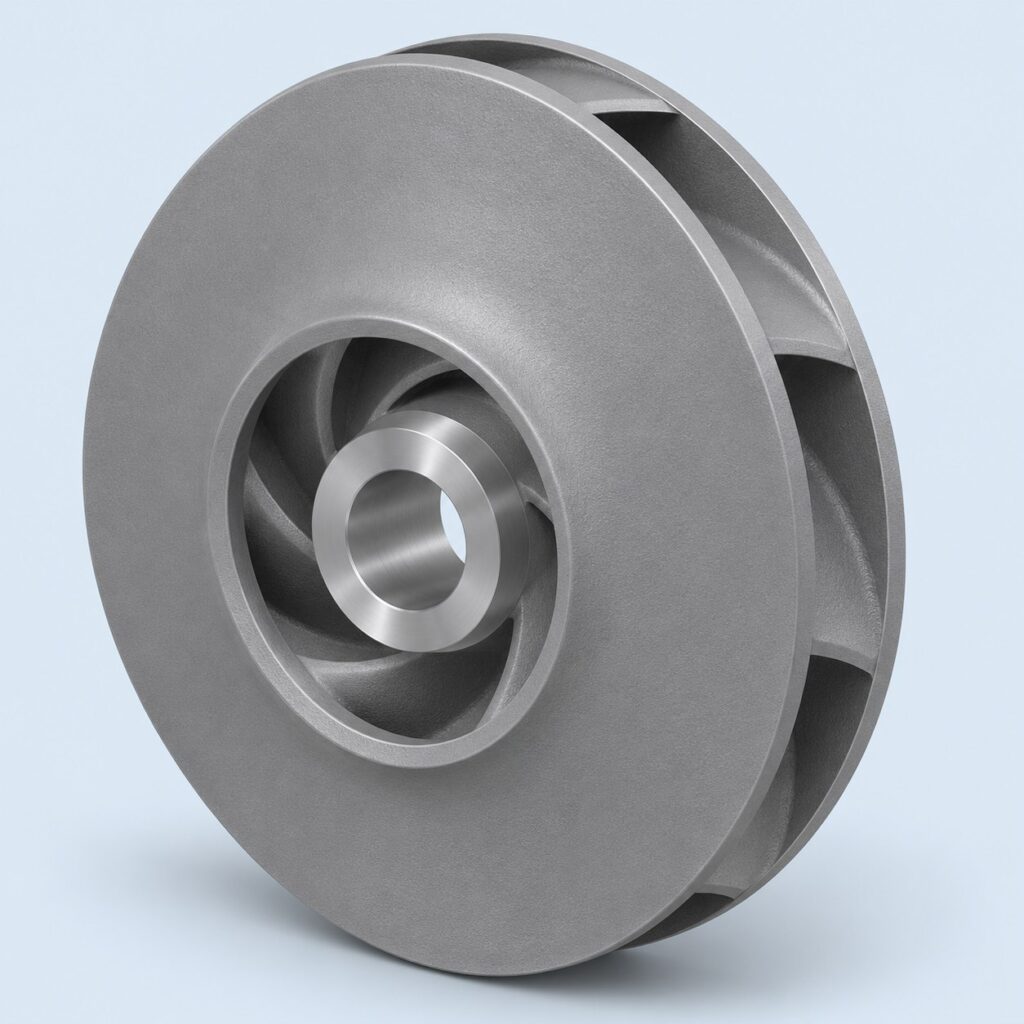
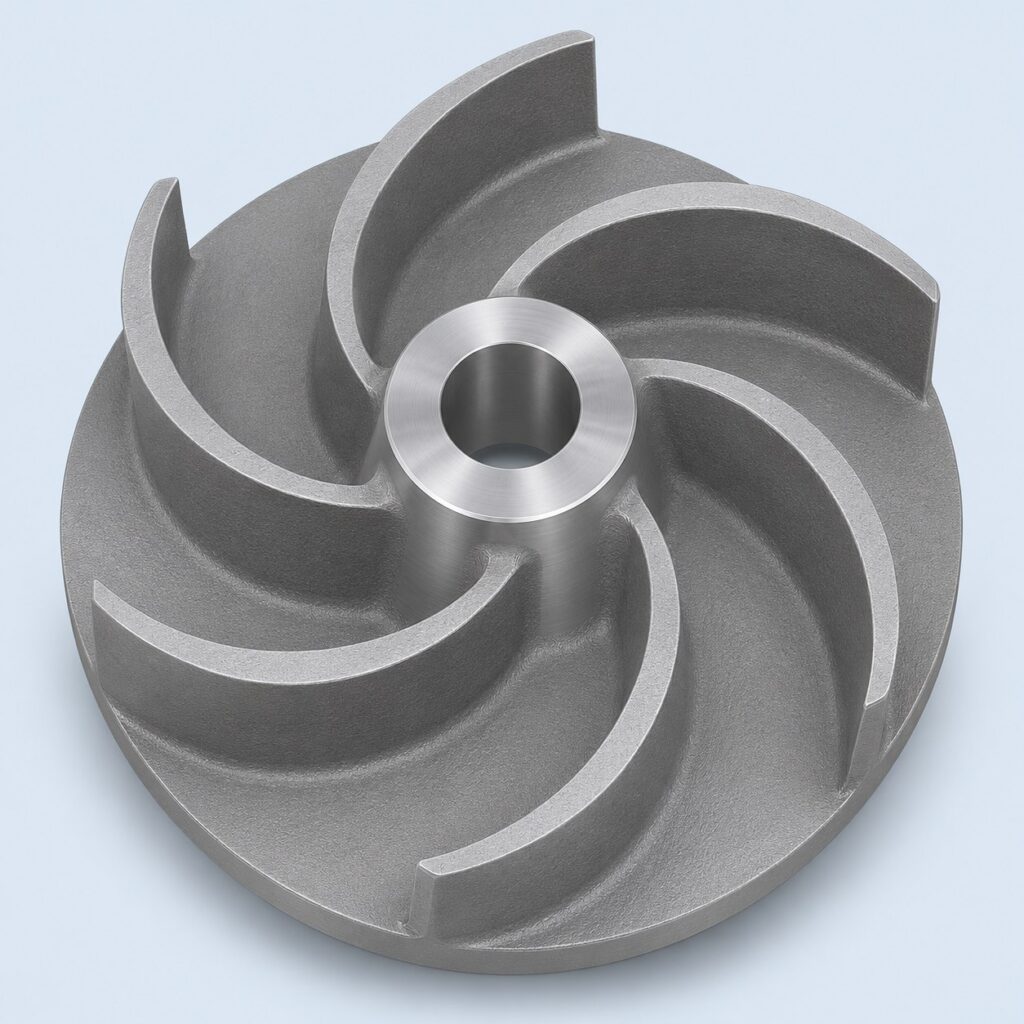
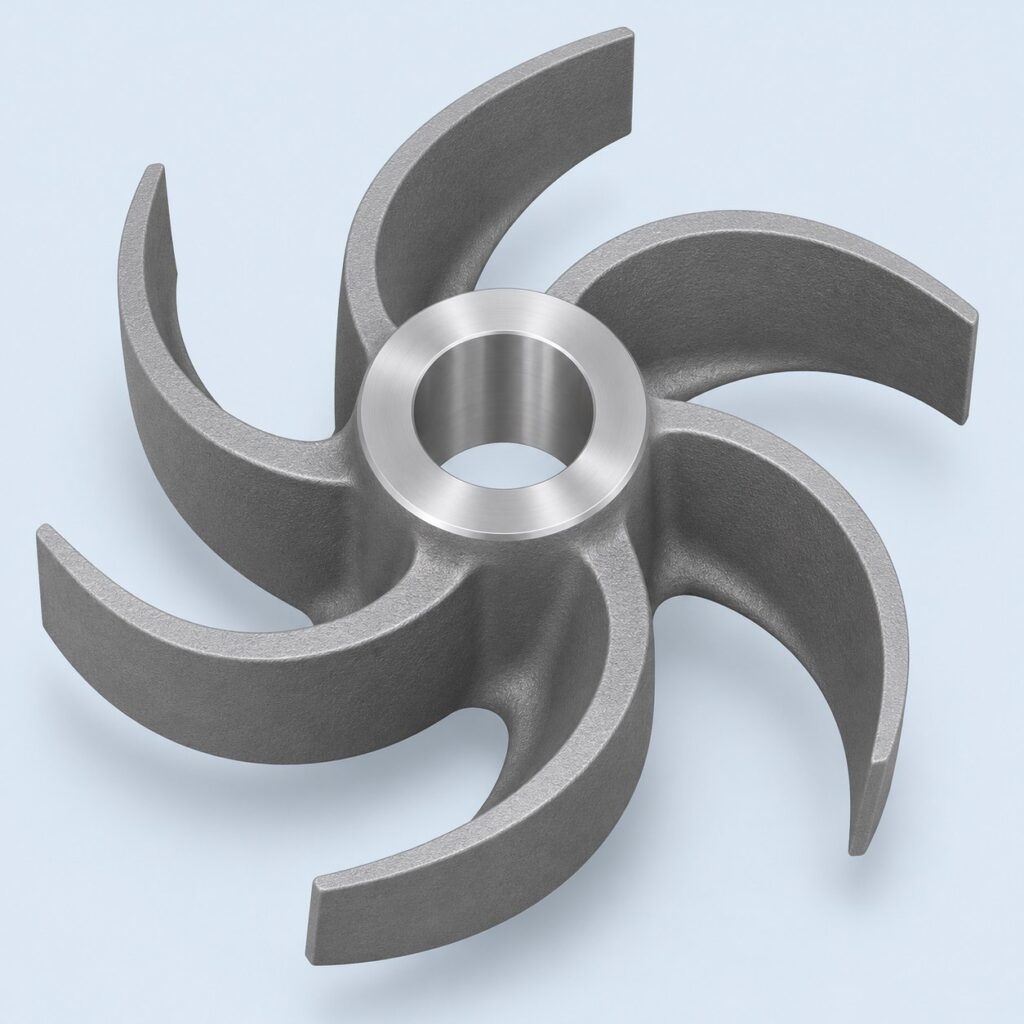
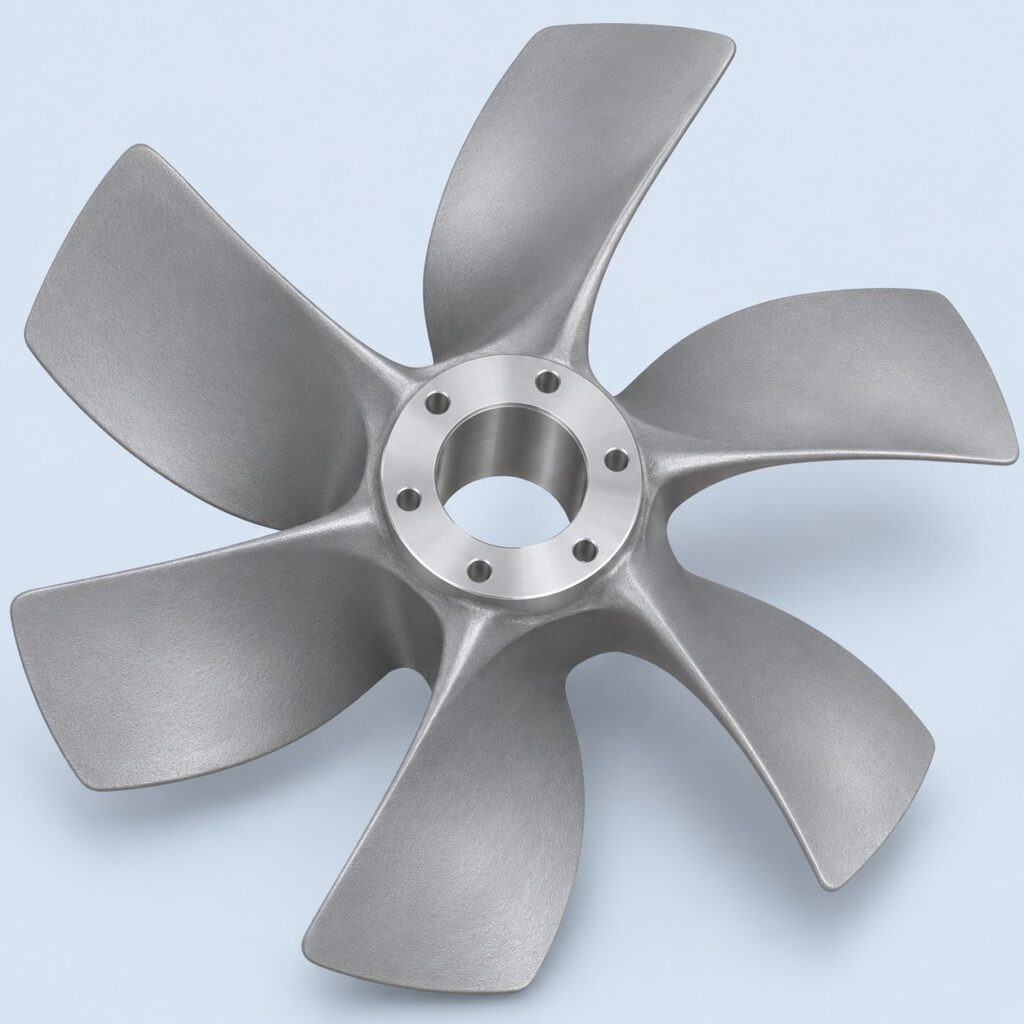
Impeller components need a clear definition of blade geometry, hub interfaces and delivered machining condition. Open, semi-open and enclosed forms are different design arrangements, and the correct choice depends on the actual equipment and design requirements. Foundry Queen enquiries should include a controlled drawing, material specification, quantity and inspection scope. State the operating context and identify the interfaces that connect the impeller to the surrounding assembly. Catalogue illustrations are useful for discussing form, but they do not establish efficiency, balance quality, pressure capability or service life for an unspecified part. Explore the linked product type pages for enquiry planning. Images are product type illustrations; final geometry and supply requirements follow the approved drawing and quotation.

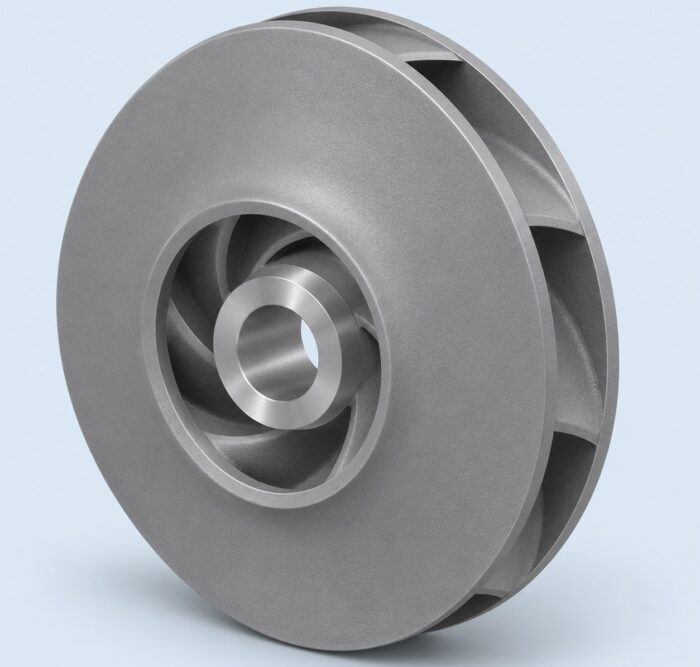
Custom Closed Pump Impellers product type illustration

Custom Impellers and Rotor Components

Product type illustration. Final geometry follows the approved drawing.

Impeller Components
Configuration and Supply Review

Impeller Components for Your Project Requirements

Compare Impeller Components
by the Selected Drawing

Define the component and required supply condition before comparing quotations.

  • Identify the function and controlled drawing
  • Confirm material and mating interfaces
  • Specify the finish and inspection scope
  • Agree the quantities and required documents

Plan Your Impeller Components Enquiry

Explore Related Product News and Articles.

Glass Spigots: Mounting Types and Selection Checklist

Glass spigots support glass panels through compact fittings located near the panel base or another defined fixing position. Choosing one starts with the mounting arrangement and the complete glazing system, rather than its square or round appearance. This Foundry Queen guide helps buyers organize the product, interface and documentation questions before requesting hardware. Square surface […]

Glass Clamp Materials: How to Verify Stainless Steel Grades

Glass clamp materials should be verified against a written specification, not selected by shine, color or a single magnet test. Two fittings can look similar while carrying different material descriptions, finishes or manufacturing histories. This Foundry Queen guide explains how a buyer can request useful material evidence and keep it connected to the actual glass […]

Valve Handle Alignment Fixtures: Assembly and Inspection

Valve handle alignment fixtures should establish a defined relationship between the valve reference, stem connection and handle position. Their purpose must be stated precisely: locating parts during assembly, checking orientation or supporting a particular inspection task. A fixture drawing should not be confused with a valve performance rating or an instruction to adjust installed equipment. […]

Horizontal Machining Fixtures for Large Workpieces

Horizontal machining fixtures for large workpieces need to be reviewed as part of a complete machine setup. The fixture, component, tools and loading arrangement must work together. A base plate that fits the table is only the beginning of that review; it does not establish that all required features can be reached, measured and produced […]

Shot Blasting Equipment for Castings: Selection and Process Control

Shot blasting equipment for castings should be selected around the parts and the required result, rather than a general high-efficiency claim. Buyers need to describe the incoming condition, the surfaces to be treated and the acceptable condition after cleaning. The way parts are loaded and handled is also part of the process specification. Original planning […]

Rotatable Turning Fixtures: Workholding and Setup Considerations

Rotatable turning fixtures need a clear description of what rotates, what remains stationary and which machining operations are intended. A fixture that indexes a component between positions is not automatically suitable for continuous rotation on a lathe. The enquiry should identify the machine, operating mode and complete workpiece assembly before a supplier proposes a design. […]

Stay Updated on Product Configuration and Selection

Explore Product Details and
Prepare Your Configuration Enquiry.

Machinery and Equipment Parts category illustration

Controlled Component Drawings

Product selection note

Identify the component by its controlled drawing and revision. Mark the interfaces that affect fit, assembly and subsequent operations, and separate confirmed dimensions from open questions. Keep the agreed drawing with the quotation so that purchasing, production and inspection refer to the same proposed supply.

Automotive Components category illustration

Material and Delivered Condition

Product selection note

Specify the required material and delivered condition independently from appearance. Identify any machining, heat treatment or surface finishing scope that belongs to the order. Request the agreed records for the actual component; a catalogue illustration or a broad material family does not establish certification or performance.

Pump and Valve Castings category illustration

Assembly Interfaces and Supply Scope

Product selection note

List the mating parts, accessories and documents expected with the proposed supply. Distinguish the main component from a complete assembly and confirm quantities per position. Review the connection and mounting requirements together before approving the final component list and production configuration.

Molds and Tooling category illustration

Inspection and Order Records

Product selection note

Agree the features to be inspected, the required records and the acceptance scope for the actual order. Retain the drawing revision, component identification, quantities and packaging requirements together. A clear supply record supports receipt checks and future enquiries without assuming that a similar photograph defines the same part.

Questions and Answers on Impeller Components

How are impeller forms distinguished?

Describe the required blade and shroud arrangement on the drawing rather than selecting a form from its name alone. Open, semi-open and enclosed impellers present different geometries and access conditions. The surrounding equipment design determines the required interfaces and clearances. A category illustration does not establish which design is appropriate for a particular duty or demonstrate a hydraulic performance result.

What hub and shaft details are required?

Identify the bore, shaft connection, locating surfaces and retention arrangement for the actual component. Mark the dimensions and relationships that require machining or inspection. Include the mating-part information needed to understand the assembly. Confirm the delivered condition and any separate finishing operations, rather than assuming that a casting illustration defines a complete ready-to-install rotor.

How should inspection requirements be stated?

Separate dimensional inspection, material documentation and any balancing or functional evidence required for the actual supply. Define the relevant criteria and records in the accepted specification. A general precision-casting description does not establish a balance grade or performance guarantee. Review the agreed component configuration and documentation before production, and retain the inspection requirements with the controlled drawing.

How should the drawing revision be controlled?

Keep the selected configuration on a controlled drawing or specification. Identify the overall dimensions, connection points and details that affect assembly. Where several variants share a similar appearance, state the model and revision beside the required quantity. Mark any unresolved dimension clearly and ask for confirmation before ordering. A screenshot is useful for identifying an item, but it should not replace the dimensional information needed to define the proposed supply. Retain the accepted version with the quotation so that purchasing and inspection refer to the same requirements.

How should material and finish be specified?

State the required material specification and finish independently. A polished surface, a painted housing or a broad stainless steel description does not identify every underlying material characteristic. Confirm the actual proposed grade, coating or treatment where relevant. Identify cosmetic and functional surfaces separately on the drawing, including any dimensions affected by finishing. Ask for the documents required for the actual order rather than transferring claims from another supplier or product. Availability and the accepted specification need to be confirmed for the selected configuration.

What inspection scope should be agreed?

Identify the features that must be checked and the records required for the proposed supply. Dimensions, fit, surface condition and supplied accessories describe different aspects of the order. Do not assume that a general quality statement defines a complete inspection plan. Where functional or performance evidence is required, specify the applicable configuration and the evidence needed. Agree the method and acceptance requirements with the supplier before approval. The product photograph and catalogue dimensions alone do not establish the performance of an assembled system or completed component.

How are accessories and documents defined?

State whether the enquiry concerns the main item alone or a complete agreed assembly. List the accessories and documents expected with each position, including any mating components, instructions or identification requirements. Items shown beside a product may illustrate an arrangement without defining the supplied scope. Confirm quantities per assembly as well as total order quantities. Keep optional items separate from the base specification so that the quotation can be reviewed clearly and the delivered contents can be checked against an agreed component list.

How should packaging and delivery be planned?

Give the destination, quantity schedule and required delivery window at enquiry stage. Identify surfaces and interfaces that need protection during handling, including finished faces, machined faces or mating features where relevant. Confirm the proposed packaging and identification scheme for the actual supply. Different model variants should remain traceable to their drawing references. Ask for the final transport and delivery terms in the quotation rather than relying on a general statement. Preserve the agreed packing requirements with the order so they can be checked on receipt.

What makes a useful quotation request?

Provide the selected references, drawings, quantities and intended application context. Add material and finish requirements, accessory scope and any documentation needed for the proposed supply. Identify which facts are confirmed and which remain open for review. Foundry Queen can use this information to organise a clear enquiry around the actual configuration. Before ordering, keep the accepted drawing revision, component list, quotation and inspection scope together. When goods arrive, compare identification, quantities and agreed features with that record before moving to the next stage of the project.

When will individual product details be available?

This category currently provides an overview for product-specific enquiries. Explore the linked product type pages for enquiry planning. Images are product type illustrations; final geometry and supply requirements follow the approved drawing and quotation. For an immediate enquiry, send Foundry Queen the required component reference, controlled drawing, quantity and destination. Any proposed configuration and documentation must be confirmed for the actual supply before an order is finalised.

Welcome to Visit Our Factory Anytime