Impeller Components

Review Component Drawings and Supply Requirements with Foundry Queen.

Impeller Components and Product Configuration Selection.

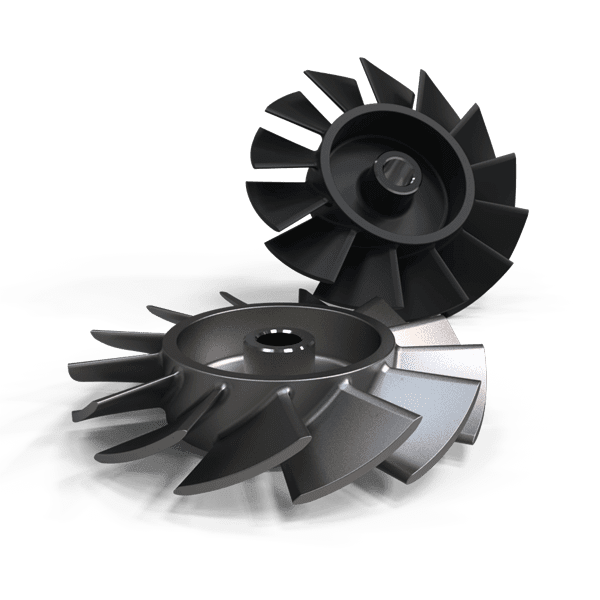
Impeller components need a clear definition of blade geometry, hub interfaces and delivered machining condition. Open, semi-open and enclosed forms are different design arrangements, and the correct choice depends on the actual equipment and design requirements. Foundry Queen enquiries should include a controlled drawing, material specification, quantity and inspection scope. State the operating context and identify the interfaces that connect the impeller to the surrounding assembly. Catalogue illustrations are useful for discussing form, but they do not establish efficiency, balance quality, pressure capability or service life for an unspecified part. This page introduces the component enquiry process; verified model details will be added when part-specific drawings and images are available.

Impeller Components Enquiry Overview

Impeller components need a clear definition of blade geometry, hub interfaces and delivered machining condition. Open, semi-open and enclosed forms are different design arrangements, and the correct choice depends on the actual equipment and design requirements. Foundry Queen enquiries should include a controlled drawing, material specification, quantity and inspection scope. State the operating context and identify the interfaces that connect the impeller to the surrounding assembly. Catalogue illustrations are useful for discussing form, but they do not establish efficiency, balance quality, pressure capability or service life for an unspecified part. This page introduces the component enquiry process; verified model details will be added when part-specific drawings and images are available.

Impeller Components
Configuration and Supply Review

Impeller Components for Your Project Requirements

Compare Impeller Components
by the Selected Drawing

Define the component and required supply condition before comparing quotations.

  • Identify the function and controlled drawing
  • Confirm material and mating interfaces
  • Specify the finish and inspection scope
  • Agree the quantities and required documents

Plan Your Impeller Components Enquiry

Explore Related Product News and Articles.

CN 218532382 U A Valve Handle Alignment Device

CN 218532382 U A Valve Handle Alignment Device should be reviewed as an engineering subject: function, drawing requirements, manufacturability, inspection and repeat-order control. This guide gives foundryqueen buyers a clear checklist for discussing the topic with a metal casting supplier. Review casting capabilities, browse related products, or send drawings through quotation support. Engineering Review for […]

CN 215616625 U A Horizontal Machining Fixture for Easy Processing of Large Workpieces

CN 215616625 U A Horizontal Machining Fixture for Easy Processing of Large Workpieces should be reviewed as an engineering subject: function, drawing requirements, manufacturability, inspection and repeat-order control. This guide gives foundryqueen buyers a clear checklist for discussing the topic with a metal casting supplier. Review casting capabilities, browse related products, or send drawings through […]

CN 221135537 U A Kind of High-efficiency Shot Blasting Device

CN 221135537 U A Kind of High-efficiency Shot Blasting Device should be reviewed as an engineering subject: function, drawing requirements, manufacturability, inspection and repeat-order control. This guide gives foundryqueen buyers a clear checklist for discussing the topic with a metal casting supplier. Review casting capabilities, browse related products, or send drawings through quotation support. Engineering […]

CN 215615157 U A Rotatable Turning Fixture

CN 215615157 U A Rotatable Turning Fixture should be reviewed as an engineering subject: function, drawing requirements, manufacturability, inspection and repeat-order control. This guide gives foundryqueen buyers a clear checklist for discussing the topic with a metal casting supplier. Review casting capabilities, browse related products, or send drawings through quotation support. Engineering Review for CN […]

CN 215440367 U A Wax Grinding Recycling Device Utilizing Industrial Heat Recovery

CN 215440367 U A Wax Grinding Recycling Device Utilizing Industrial Heat Recovery should be reviewed as an engineering subject: function, drawing requirements, manufacturability, inspection and repeat-order control. This guide gives foundryqueen buyers a clear checklist for discussing the topic with a metal casting supplier. Review casting capabilities, browse related products, or send drawings through quotation […]

CN 114682742 B A Kind of Sand Core Mold and Casting Mold for Preparing Sand Core Molds

CN 114682742 B A Kind of Sand Core Mold and Casting Mold for Preparing Sand Core Molds should be reviewed as an engineering subject: function, drawing requirements, manufacturability, inspection and repeat-order control. This guide gives foundryqueen buyers a clear checklist for discussing the topic with a metal casting supplier. Review casting capabilities, browse related products, […]

Stay Updated on Product Configuration and Selection

Explore Product Details and
Prepare Your Configuration Enquiry.

Machinery and Equipment Parts category illustration

Controlled Component Drawings

Product selection note

Identify the component by its controlled drawing and revision. Mark the interfaces that affect fit, assembly and subsequent operations, and separate confirmed dimensions from open questions. Keep the agreed drawing with the quotation so that purchasing, production and inspection refer to the same proposed supply.

Automotive Components category illustration

Material and Delivered Condition

Product selection note

Specify the required material and delivered condition independently from appearance. Identify any machining, heat treatment or surface finishing scope that belongs to the order. Request the agreed records for the actual component; a catalogue illustration or a broad material family does not establish certification or performance.

Pump and Valve Castings category illustration

Assembly Interfaces and Supply Scope

Product selection note

List the mating parts, accessories and documents expected with the proposed supply. Distinguish the main component from a complete assembly and confirm quantities per position. Review the connection and mounting requirements together before approving the final component list and production configuration.

Molds and Tooling category illustration

Inspection and Order Records

Product selection note

Agree the features to be inspected, the required records and the acceptance scope for the actual order. Retain the drawing revision, component identification, quantities and packaging requirements together. A clear supply record supports receipt checks and future enquiries without assuming that a similar photograph defines the same part.

Questions and Answers on Impeller Components

How are impeller forms distinguished?

Describe the required blade and shroud arrangement on the drawing rather than selecting a form from its name alone. Open, semi-open and enclosed impellers present different geometries and access conditions. The surrounding equipment design determines the required interfaces and clearances. A category illustration does not establish which design is appropriate for a particular duty or demonstrate a hydraulic performance result.

What hub and shaft details are required?

Identify the bore, shaft connection, locating surfaces and retention arrangement for the actual component. Mark the dimensions and relationships that require machining or inspection. Include the mating-part information needed to understand the assembly. Confirm the delivered condition and any separate finishing operations, rather than assuming that a casting illustration defines a complete ready-to-install rotor.

How should inspection requirements be stated?

Separate dimensional inspection, material documentation and any balancing or functional evidence required for the actual supply. Define the relevant criteria and records in the accepted specification. A general precision-casting description does not establish a balance grade or performance guarantee. Review the agreed component configuration and documentation before production, and retain the inspection requirements with the controlled drawing.

How should the drawing revision be controlled?

Keep the selected configuration on a controlled drawing or specification. Identify the overall dimensions, connection points and details that affect assembly. Where several variants share a similar appearance, state the model and revision beside the required quantity. Mark any unresolved dimension clearly and ask for confirmation before ordering. A screenshot is useful for identifying an item, but it should not replace the dimensional information needed to define the proposed supply. Retain the accepted version with the quotation so that purchasing and inspection refer to the same requirements.

How should material and finish be specified?

State the required material specification and finish independently. A polished surface, a painted housing or a broad stainless steel description does not identify every underlying material characteristic. Confirm the actual proposed grade, coating or treatment where relevant. Identify cosmetic and functional surfaces separately on the drawing, including any dimensions affected by finishing. Ask for the documents required for the actual order rather than transferring claims from another supplier or product. Availability and the accepted specification need to be confirmed for the selected configuration.

What inspection scope should be agreed?

Identify the features that must be checked and the records required for the proposed supply. Dimensions, fit, surface condition and supplied accessories describe different aspects of the order. Do not assume that a general quality statement defines a complete inspection plan. Where functional or performance evidence is required, specify the applicable configuration and the evidence needed. Agree the method and acceptance requirements with the supplier before approval. The product photograph and catalogue dimensions alone do not establish the performance of an assembled system or completed component.

How are accessories and documents defined?

State whether the enquiry concerns the main item alone or a complete agreed assembly. List the accessories and documents expected with each position, including any mating components, instructions or identification requirements. Items shown beside a product may illustrate an arrangement without defining the supplied scope. Confirm quantities per assembly as well as total order quantities. Keep optional items separate from the base specification so that the quotation can be reviewed clearly and the delivered contents can be checked against an agreed component list.

How should packaging and delivery be planned?

Give the destination, quantity schedule and required delivery window at enquiry stage. Identify surfaces and interfaces that need protection during handling, including finished faces, machined faces or mating features where relevant. Confirm the proposed packaging and identification scheme for the actual supply. Different model variants should remain traceable to their drawing references. Ask for the final transport and delivery terms in the quotation rather than relying on a general statement. Preserve the agreed packing requirements with the order so they can be checked on receipt.

What makes a useful quotation request?

Provide the selected references, drawings, quantities and intended application context. Add material and finish requirements, accessory scope and any documentation needed for the proposed supply. Identify which facts are confirmed and which remain open for review. Foundry Queen can use this information to organise a clear enquiry around the actual configuration. Before ordering, keep the accepted drawing revision, component list, quotation and inspection scope together. When goods arrive, compare identification, quantities and agreed features with that record before moving to the next stage of the project.

When will individual product details be available?

This category currently provides an overview for product-specific enquiries. Individual detail pages will be added after the actual product drawings, images and supply information have been verified. For an immediate enquiry, send Foundry Queen the required component reference, controlled drawing, quantity and destination. Any proposed configuration and documentation must be confirmed for the actual supply before an order is finalised.

Discuss Your Impeller Components Requirements

Impeller Components Buying Guide

Define the product before requesting a quotation

Impeller components should be distinguished by their blade and shroud arrangement and by their connection to the rotating assembly. Closed, semi-open and open forms are separate enquiry types. A fan rotor also needs its own drawing; it is not interchangeable with a liquid-pump impeller.

Impeller components need a clear definition of blade geometry, hub interfaces and delivered machining condition. Open, semi-open and enclosed forms are different design arrangements, and the correct choice depends on the actual equipment and design requirements. Foundry Queen enquiries should include a controlled drawing, material specification, quantity and inspection scope. State the operating context and identify the interfaces that connect the impeller to the surrounding assembly. Catalogue illustrations are useful for discussing form, but they do not establish efficiency, balance quality, pressure capability or service life for an unspecified part. This page introduces the component enquiry process; verified model details will be added when part-specific drawings and images are available.

Check the configuration and its interfaces

A useful impeller components enquiry identifies the selected item, its installation or manufacturing context, and the features that must match adjacent parts. Record units and drawing revisions. Where several variants are required, give each one a separate schedule line so that a quotation cannot silently substitute a different configuration.

  • Blade and shroud geometry
  • Shaft bore, hub and mounting detail
  • Specified material and delivered condition
  • Balancing and inspection requirements

Use the accepted geometry and intended equipment context to define the item. Do not promise flow, head, efficiency, balance grade or rotational capability without evidence for the actual offered configuration.

Choosing a impeller components manufacturer and supplier

When comparing a impeller components manufacturer, ask how the proposed item will be made and which features will be verified before dispatch. Review evidence for the actual product and order, including any subcontracted operations that affect the agreed supply. A supplier should identify exactly what the quotation includes, what remains open for confirmation and which documents will accompany the goods. Discuss these points with Foundry Queen against the selected drawing and item schedule.

Factory information and inspection records

Request relevant factory information for the proposed production route rather than relying on unrelated workshop photographs or general capacity statements. Agree the critical features, inspection method, sampling scope and required records before approval. Keep material identification separate from surface appearance. If a sample or trial is part of the order, define what will be examined, which drawing revision applies and how discrepancies will be resolved before repeat production.

What affects the impeller components price?

The impeller components price depends on tooling, passage geometry, material, machining, finishing and specified verification. Compare quotations on the same drawing revision and supplied condition. Separate one-time tooling or setup charges from recurring component costs, and identify any optional items independently. A lower unit figure is not a complete comparison when machining, accessories, inspection, packaging or transport responsibilities differ. Ask for a written quotation stating the currency, quantity basis, validity and delivery terms; no fixed price is implied by this guide.

Exporter packing and delivery scope

For an overseas order, ask the exporter to confirm destination requirements, package identification and the agreed delivery terms. Specify protection for the functional surfaces and interfaces listed in the product schedule. Keep different references identifiable after unpacking. Confirm which commercial and technical documents belong to the shipment and how any split deliveries will be recorded. Export packing should be defined for the actual parts and transport route rather than assumed from a catalogue image.

Send a complete impeller components enquiry

Contact Foundry Queen with the drawing or selected reference, quantities, required material and finish, the delivery destination and any open technical points. Attach the acceptance requirements and the required supply scope. Retain the agreed quotation, drawings and inspection schedule together so that purchasing, receipt and later repeat orders refer to the same defined product.