Molds and Tooling Buying Guide
Define the product before requesting a quotation
Molds and tooling define or control a manufacturing operation. Casting patterns, core boxes, forming dies and workholding fixtures have different purposes and acceptance requirements. Start with the part and process that the tool must serve, then define the machine interfaces and the delivered tooling scope.
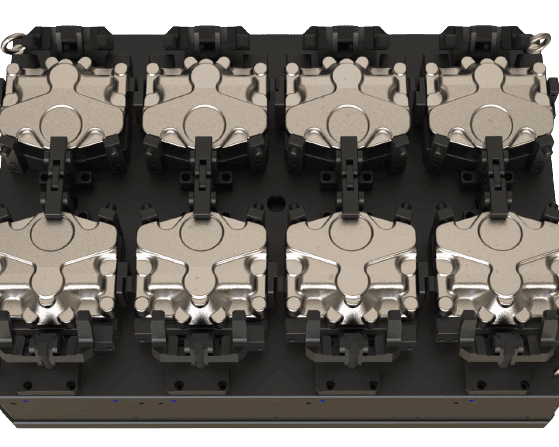
Mold and tooling enquiries should begin with the process, the part to be produced and the interfaces to the intended equipment. A forming tool, a casting pattern and a machining fixture perform different roles, even when all are described broadly as tooling. Foundry Queen enquiries should identify the controlled part drawing, tool scope, mounting arrangement, quantity and acceptance requirements. Clarify whether design work, a complete tool or a replaceable element is being requested. The illustrations support discussion of tooling arrangements; they do not establish ownership, production capacity or guaranteed tool life. Individual tooling details will be added after verified drawings and supply information are available.
Check the configuration and its interfaces
A useful molds and tooling enquiry identifies the selected item, its installation or manufacturing context, and the features that must match adjacent parts. Record units and drawing revisions. Where several variants are required, give each one a separate schedule line so that a quotation cannot silently substitute a different configuration.
- Part and process definition
- Machine and locating interfaces
- Tool material and replaceable features
- Trial and acceptance requirements
Distinguish a drawing-only service from manufacture of a physical tool or a complete trial package. Agree ownership, revision control and the actual acceptance criteria before committing to the order.
Choosing a molds and tooling manufacturer and supplier
When comparing a molds and tooling manufacturer, ask how the proposed item will be made and which features will be verified before dispatch. Review evidence for the actual product and order, including any subcontracted operations that affect the agreed supply. A supplier should identify exactly what the quotation includes, what remains open for confirmation and which documents will accompany the goods. Discuss these points with Foundry Queen against the selected drawing and item schedule.
Factory information and inspection records
Request relevant factory information for the proposed production route rather than relying on unrelated workshop photographs or general capacity statements. Agree the critical features, inspection method, sampling scope and required records before approval. Keep material identification separate from surface appearance. If a sample or trial is part of the order, define what will be examined, which drawing revision applies and how discrepancies will be resolved before repeat production.
What affects the molds and tooling price?
The molds and tooling price depends on tool complexity, material, cavity or station arrangement, machining, trials and documentation. Compare quotations on the same drawing revision and supplied condition. Separate one-time tooling or setup charges from recurring component costs, and identify any optional items independently. A lower unit figure is not a complete comparison when machining, accessories, inspection, packaging or transport responsibilities differ. Ask for a written quotation stating the currency, quantity basis, validity and delivery terms; no fixed price is implied by this guide.
Exporter packing and delivery scope
For an overseas order, ask the exporter to confirm destination requirements, package identification and the agreed delivery terms. Specify protection for the functional surfaces and interfaces listed in the product schedule. Keep different references identifiable after unpacking. Confirm which commercial and technical documents belong to the shipment and how any split deliveries will be recorded. Export packing should be defined for the actual parts and transport route rather than assumed from a catalogue image.
Send a complete molds and tooling enquiry
Contact Foundry Queen with the drawing or selected reference, quantities, required material and finish, the delivery destination and any open technical points. Attach the acceptance requirements and the required supply scope. Retain the agreed quotation, drawings and inspection schedule together so that purchasing, receipt and later repeat orders refer to the same defined product.