Custom Production Tooling Buying Guide
Compare custom production tooling by function, drawing interfaces, material and delivered condition. These product type illustrations help organise an enquiry; the final geometry and supply scope must follow the approved drawing and written quotation.
Product type illustration. Final geometry follows the approved drawing.
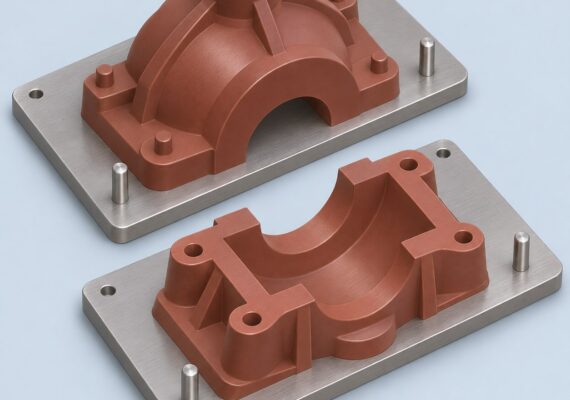
Custom Foundry Casting Patterns
A foundry pattern defines the form used to produce a mold for a casting process. The pattern layout must relate to the finished part, the intended molding method and the agreed production requirements. A pattern is not the finished casting and should have its own drawing and acceptance scope. Define the required tool material, parting arrangement, mounting and any replaceable features in the enquiry.
Review Custom Foundry Casting Patterns for the product-specific enquiry checklist.
Custom Foundry Casting Patterns Product Introduction
A foundry pattern defines the form used to produce a mold for a casting process. The pattern layout must relate to the finished part, the intended molding method and the agreed production requirements. A pattern is not the finished casting and should have its own drawing and acceptance scope. Define the required tool material, parting arrangement, mounting and any replaceable features in the enquiry.
Configuration and supply scope
Identify the part and process the tool will serve, the machine interfaces and the required delivered scope. Distinguish design work, a physical tool and a complete trial package. Tool ownership, revision control and acceptance requirements should be agreed before manufacture.
Foundry Queen enquiries should include the selected component drawing, quantity and the required delivered condition. Identify the features to be machined, the accessories to be included and the documents needed with the order. This product-family description does not define a stocked model, a universal replacement or an approved performance rating.
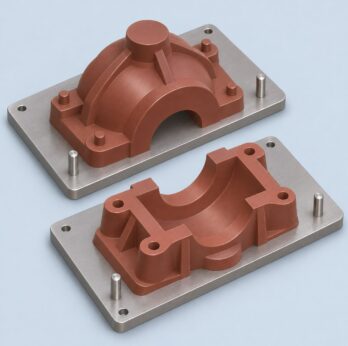
Custom Foundry Core Boxes
A core box forms the shape of a core used within a defined casting process. Its geometry should match the intended internal features of the casting and the core-making method. The number of box sections, locating details and machine connections must be specified for the actual production arrangement. Core-box supply should be distinguished from core manufacture and from a complete casting-tooling package.
Review Custom Foundry Core Boxes for the product-specific enquiry checklist.
Custom Foundry Core Boxes Product Introduction
A core box forms the shape of a core used within a defined casting process. Its geometry should match the intended internal features of the casting and the core-making method. The number of box sections, locating details and machine connections must be specified for the actual production arrangement. Core-box supply should be distinguished from core manufacture and from a complete casting-tooling package.
Configuration and supply scope
Identify the part and process the tool will serve, the machine interfaces and the required delivered scope. Distinguish design work, a physical tool and a complete trial package. Tool ownership, revision control and acceptance requirements should be agreed before manufacture.
Foundry Queen enquiries should include the selected component drawing, quantity and the required delivered condition. Identify the features to be machined, the accessories to be included and the documents needed with the order. This product-family description does not define a stocked model, a universal replacement or an approved performance rating.
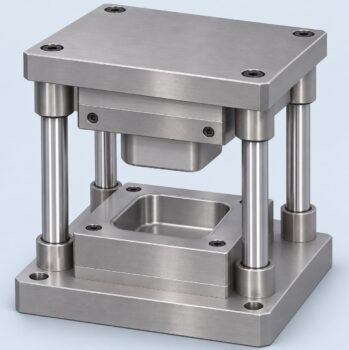
Custom Metal Stamping Dies
A metal stamping die shapes or separates sheet material through a defined press operation. The required part, stock specification and forming sequence should be reviewed before specifying the tool. A single-operation die and a multi-station arrangement represent different scopes. The enquiry should identify the press interfaces, locating requirements and any replaceable working components rather than relying on a picture of a similar tool.
Review Custom Metal Stamping Dies for the product-specific enquiry checklist.
Custom Metal Stamping Dies Product Introduction
A metal stamping die shapes or separates sheet material through a defined press operation. The required part, stock specification and forming sequence should be reviewed before specifying the tool. A single-operation die and a multi-station arrangement represent different scopes. The enquiry should identify the press interfaces, locating requirements and any replaceable working components rather than relying on a picture of a similar tool.
Configuration and supply scope
Identify the part and process the tool will serve, the machine interfaces and the required delivered scope. Distinguish design work, a physical tool and a complete trial package. Tool ownership, revision control and acceptance requirements should be agreed before manufacture.
Foundry Queen enquiries should include the selected component drawing, quantity and the required delivered condition. Identify the features to be machined, the accessories to be included and the documents needed with the order. This product-family description does not define a stocked model, a universal replacement or an approved performance rating.
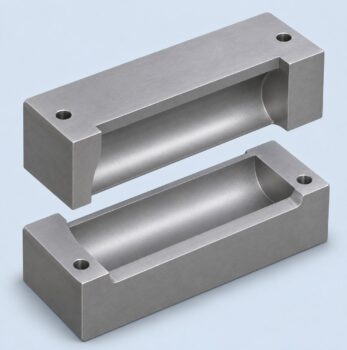
Custom CNC Workholding Fixtures
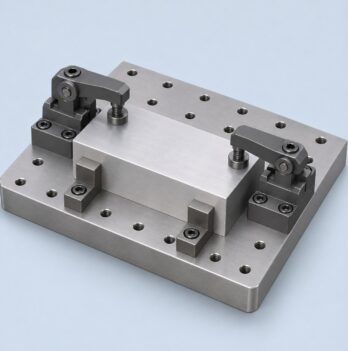
A CNC workholding fixture locates and holds a defined workpiece for a specified machining operation. Its datum contacts, clamping access and machine mounting must allow the planned tool movements. A fixture for one part revision should not be assumed suitable for a different workpiece. Define which locating elements, clamps and accessories are included and how the completed fixture will be accepted.
Review Custom CNC Workholding Fixtures for the product-specific enquiry checklist.
Custom CNC Workholding Fixtures Product Introduction
A CNC workholding fixture locates and holds a defined workpiece for a specified machining operation. Its datum contacts, clamping access and machine mounting must allow the planned tool movements. A fixture for one part revision should not be assumed suitable for a different workpiece. Define which locating elements, clamps and accessories are included and how the completed fixture will be accepted.
Configuration and supply scope
Identify the part and process the tool will serve, the machine interfaces and the required delivered scope. Distinguish design work, a physical tool and a complete trial package. Tool ownership, revision control and acceptance requirements should be agreed before manufacture.
Foundry Queen enquiries should include the selected component drawing, quantity and the required delivered condition. Identify the features to be machined, the accessories to be included and the documents needed with the order. This product-family description does not define a stocked model, a universal replacement or an approved performance rating.
Comparing a manufacturer, supplier or factory quotation
Use the same drawing revision, material requirement, quantity and delivered condition for each enquiry. The factory should identify the process route, machining interfaces, inspection scope and packaging basis. A custom quotation should distinguish tooling, samples, production parts and optional work. Foundry Queen can organise a clear purchasing enquiry without treating an illustrative image as a confirmed specification.
Exporter scope and price comparison
Identify the destination, shipping terms, packaging requirements and requested documents before comparing an exporter offer. Price should be assessed against the accepted technical scope, including any tooling, machining, finish, inspection or delivery assumptions. Confirm changes in writing before an order is placed. No fixed product price, certification or performance rating is implied by this guide.