 By Coco
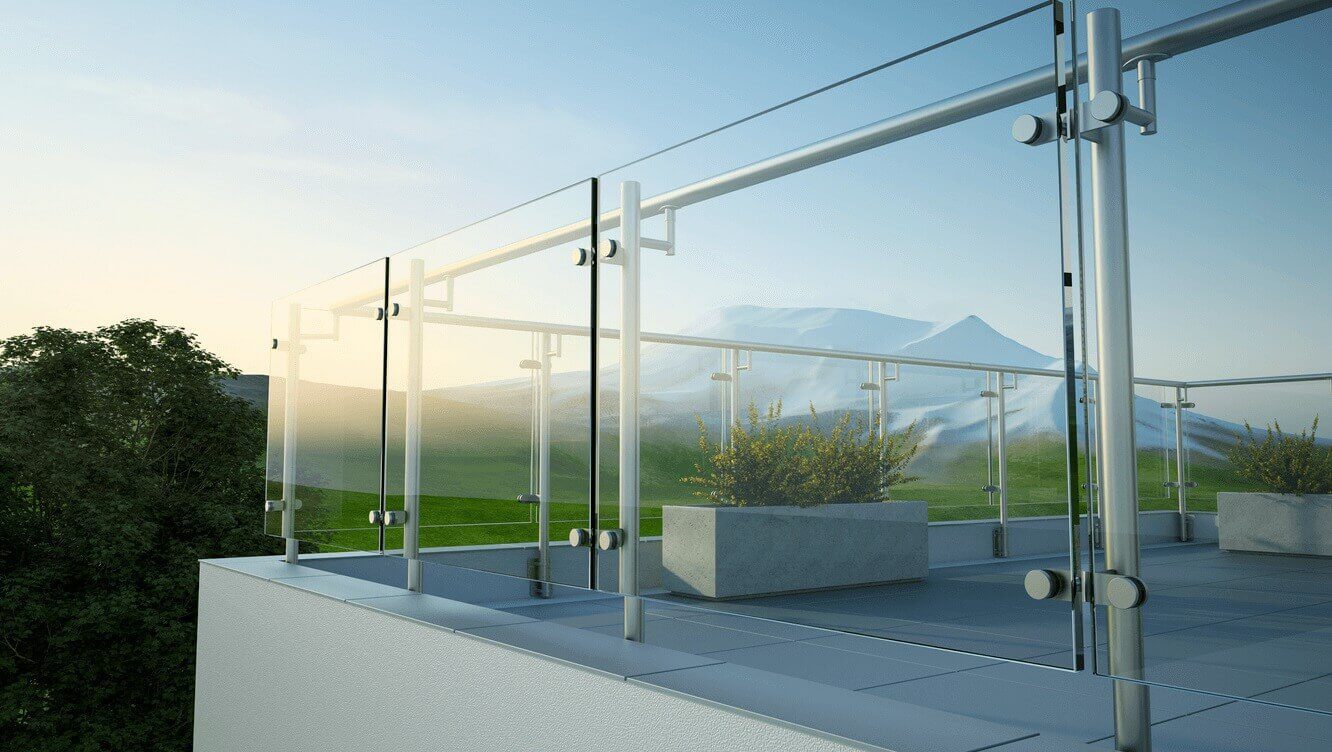
Glass for railing systems must be selected as part of the complete installation, rather than by appearance or a familiar thickness alone. The panel, its support conditions and the intended use belong in one design review. Foundry Queen supplies a practical question list to help hardware buyers coordinate with the responsible glazing professional.
Start with use and location
Describe where the railing will be installed, how the area is used and what is below or beyond it. Identify the project jurisdiction and the party responsible for establishing the applicable design requirements. Residential, public and pool-related installations should not be treated as identical by default.
This guide does not prescribe a glass composition, thickness or test criterion. Those decisions require the actual project conditions and current applicable requirements. Ask the designer to record the selected basis rather than accepting a general statement that a panel is standard.
Connect the panel specification to its supports
Provide the proposed support arrangement, panel dimensions and edge conditions together. A panel retained at discrete fittings has different interfaces from one held in a continuous support. Changes to support locations can require the glass design to be reconsidered.
Use our glass railing system category to identify the intended arrangement. The frameless pool fence example is a product type, not evidence of approval for a particular pool or jurisdiction.
Freeze holes and cutouts with the hardware
The glass fabricator needs an approved preparation drawing for the exact fittings. Identify holes, cutouts, edge details and any required identification. Keep these details linked to the hardware revision and panel reference.
Do not assume that a change to a clamp or standoff can be accommodated after the glass is made. Obtain a compatibility review before substituting components. The right time to resolve a hole pattern is before manufacture, not while the installer is trying to assemble the delivered parts.
Ask about the complete system behavior
The design review should address the system’s intended performance and required verification, including what happens when an element is damaged. A description such as toughened or laminated does not, by itself, answer every question about the complete railing.
Ask what documents and tests are required for the project and who provides them. Distinguish a glass product record from hardware evidence and complete-system assessment. Keeping the documentation boundaries clear prevents a single test report from being applied beyond the arrangement it actually covers.
Example: a hardware change after panel approval
A proposed fitting may have a different glass preparation requirement even when its outside dimensions are similar. Releasing the new hardware without checking the approved panel drawing can leave the glass and fittings incompatible. Ask the system designer and glass fabricator to review the exact substitution before production. Retain the decision with both records so the old preparation cannot be used accidentally on a repeat order.
Coordinate appearance and handover
Glass tint, edge finish, markings and adjoining metal finishes can affect the final appearance. Review samples under the agreed conditions when consistency matters. Record acceptable variation and the approved reference before a large order is released.
The handover package should identify panel references, hardware models, approved drawings and maintenance instructions. Owners should know who to contact after damage or a significant impact. Replacement glass must match the approved system specification, not merely the visible outline of the original panel.
Enquiry checklist
| Question | Responsible input |
|---|---|
| Which requirements apply? | Project designer and relevant authority |
| How is the panel supported? | Coordinated glass and hardware drawings |
| What proves acceptance? | Defined product and complete-system evidence |
When contacting Foundry Queen, include the approved glass specification and support details. This lets the hardware discussion follow the design instead of silently defining it.
Get Premium Casting Products
Join FoundryQueen.com Newsletter to get more information of different premium OEM Casting products in China.