 By Coco
Silica sol investment casting describes a route in which a colloidal silica binder forms part of the ceramic shell system. It does not describe the alloy or guarantee a particular tolerance by itself. Foundry Queen recommends discussing the complete production and verification plan rather than treating the binder name as a product specification.
Locate the binder within the process
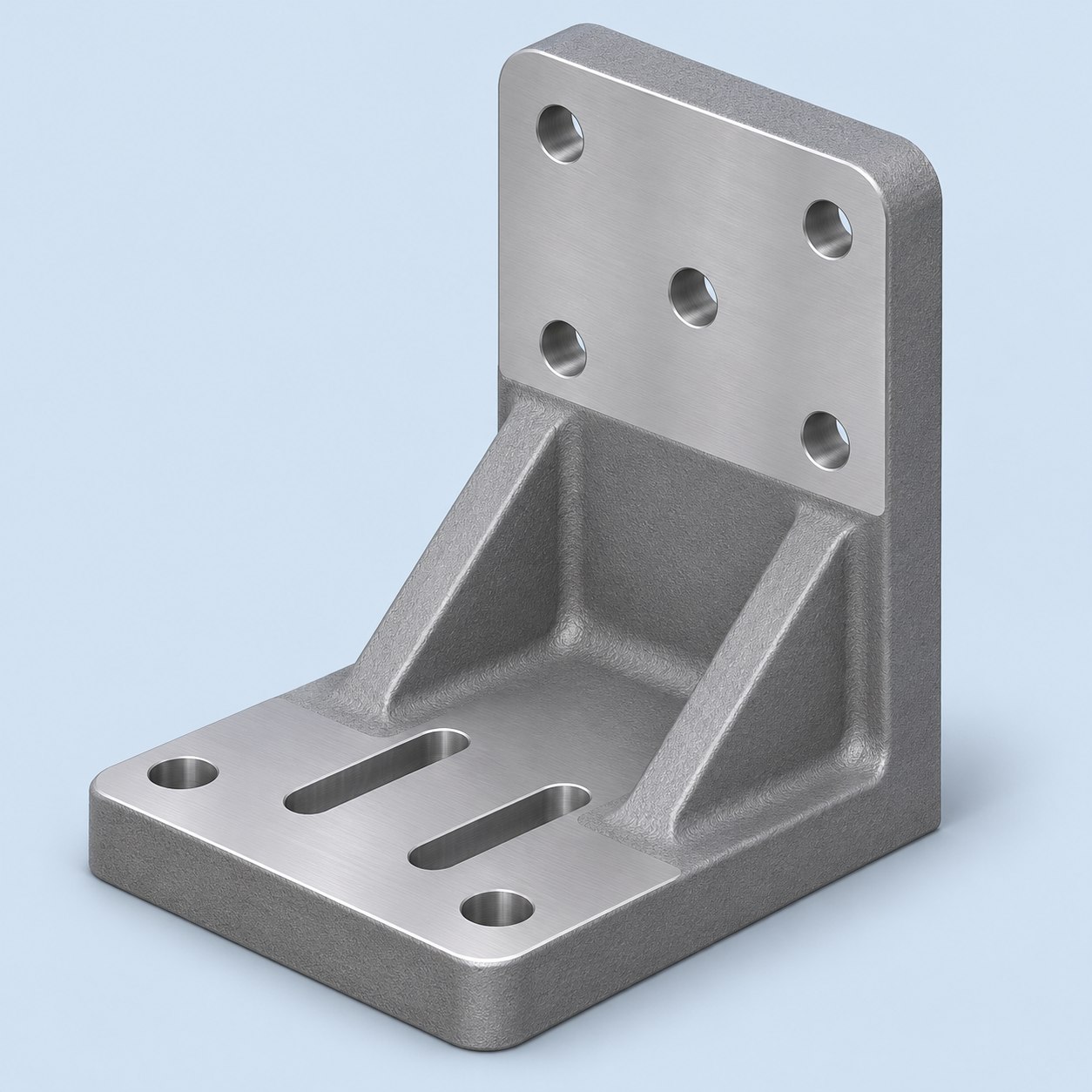
The shell is built around a disposable pattern through controlled coating and drying stages. After the pattern is removed and the shell is prepared, metal is cast into the cavity. The binder is one part of that mold system, alongside refractory materials and process conditions.
Do not assume that every foundry using the same broad binder description follows an identical procedure. Layer selection, drying control and handling belong to the foundry’s qualified process. A buyer should specify the required part and evidence rather than invent a universal shell recipe.
Review the pattern before shell building
Pattern condition and assembly can influence later casting features. Ask how visible pattern damage, joints and critical surfaces are controlled before the shell stage. A problem carried forward from the pattern may not be corrected simply by changing a shell material.
Keep the pattern and finished-part definitions linked through approved drawings. Mark surfaces that require particular attention, including areas that will remain visible or as cast. This gives the foundry a clearer review target than an instruction to make the surface perfect.
Discuss geometry and shell access
Narrow passages, deep recesses and clustered features may complicate coating, drying, metal filling or shell removal. Ask the foundry to review these regions on the actual model. A general claim of complex-shape capability does not resolve every internal cavity.
The impeller component category and closed impeller example show why internal geometry deserves separate attention. The illustration is a type reference, not proof of a particular shell process or hydraulic result.
Keep shell defects and casting acceptance separate
A shell-control discussion concerns process stability; the casting still needs acceptance against the agreed requirements. Define the material condition, dimensional checks and any specified examinations. The binder route should not replace that evidence.
If an indication is found, preserve its location, batch and process-stage information before choosing a remedy. Several production stages may contribute to a symptom. A useful investigation considers the relevant records instead of automatically blaming the shell because the part was investment cast.
Example: a binder label used as the only quality requirement
An enquiry may ask for silica sol casting but omit the required dimensions, material condition and examinations. The process label cannot fill those gaps. Return to the finished drawing and acceptance plan, then ask the foundry to confirm the proposed route. This allows the binder system to be discussed as part of manufacture without pretending that it defines the entire delivered product.
Compare the full supply route
Clarify whether the quoted price includes tooling, casting, cleaning, heat treatment, machining and reports. A silica sol casting blank and a finished component are different products. Ask the supplier to identify all work required to reach the delivery condition.
For a new project, define sample approval and revision control before production. The manufacturer should confirm feasibility for the actual alloy and geometry. Claims about another factory’s certifications or typical performance should not be applied to the new component without supporting evidence.
Enquiry checklist
| Review topic | Question |
|---|---|
| Pattern | Which features and surfaces need control? |
| Shell and geometry | Can passages be coated, dried and cleaned? |
| Acceptance | What proves the delivered component meets the specification? |
Contact Foundry Queen with the drawing and required delivered condition. The useful outcome is an agreed component plan, not a binder label presented as a universal quality rating.
Technical reference
Investment Casting Institute: technical conference proceedings. This reference provides technical context; it does not establish Foundry Queen certification or project approval.
Get Premium Casting Products
Join FoundryQueen.com Newsletter to get more information of different premium OEM Casting products in China.