 By Coco
Glass railing hardware maintenance is easier to organize when each fitting has an identity and a recorded condition. Cleaning, visual inspection and engineering assessment are related tasks, but they answer different questions. Foundry Queen recommends a documented routine that helps owners notice changes without treating a casual inspection as proof of structural adequacy.
Start with an inventory of the installed system
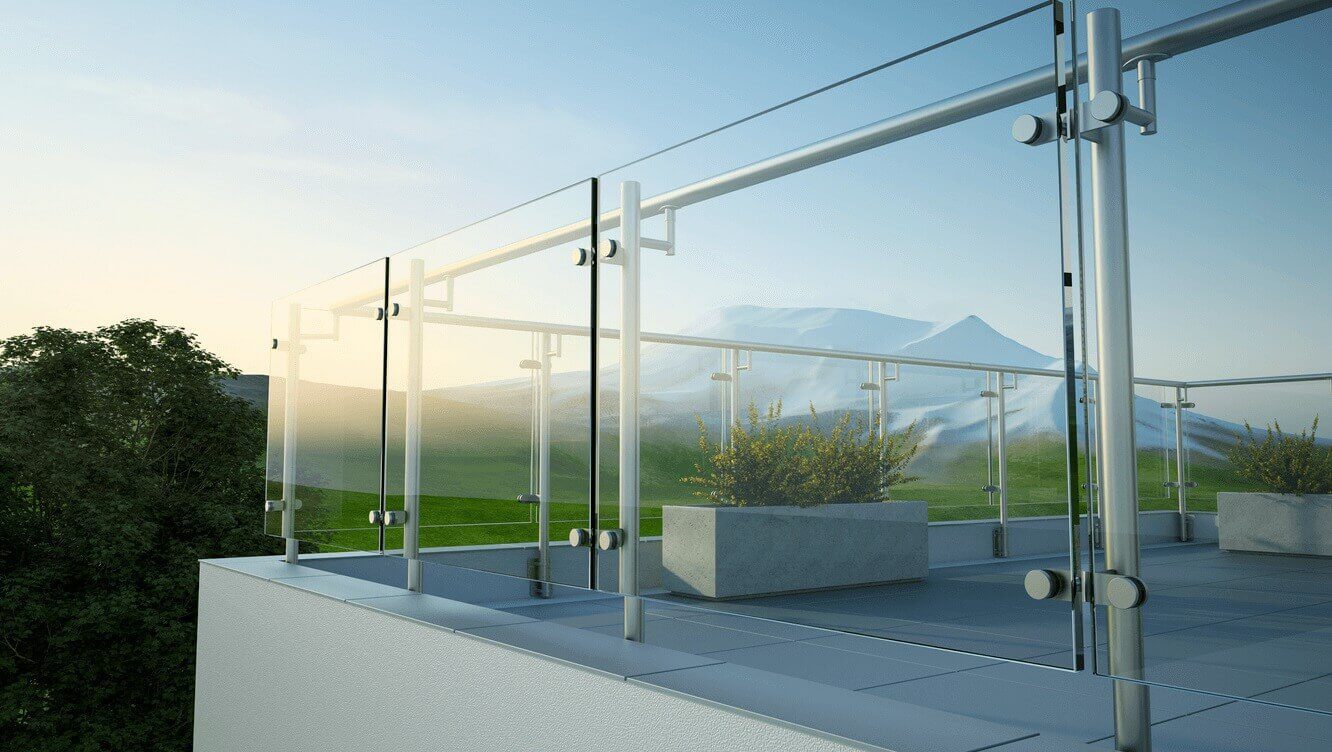
List the railing location, panel references, support type and accessible fixing points. Retain the approved drawings and the installation or maintenance instructions for the actual hardware. A railing assembled from base shoes requires a different access plan from one supported by individual glass spigots.
Photograph representative fittings when the system is accepted. Include drainage openings, cover plates and nearby finishes. Baseline photographs make later comparisons more useful than an undocumented statement that the railing looked satisfactory last year.
Separate cleaning from defect assessment
Deposits can conceal the surface and collect around joints. Select cleaning materials compatible with the metal, finish, glass and seals, using the product supplier’s instructions. Test an approved method in a discreet area where appearance matters. Avoid assuming that a cleaner suitable for bare stainless steel is suitable for a colored coating.
ASSDA notes that stainless steel performance depends on grade, finish, environment and maintenance. Coastal deposits deserve particular attention, but a cleaning interval cannot be set from distance to the sea alone. Exposure, shelter, use and access all influence the maintenance plan.
Record changes at interfaces
During a planned visual review, document visible corrosion, damaged finishes, displaced covers, deteriorated seals and changes in the gaps between components. Compare like locations: a sheltered recess may behave differently from a rain-washed surface. Record the position and extent of a condition rather than using only the word rusty.
Movement, cracked glass, missing fixings or an impact event requires assessment by a competent person responsible for the installation. Do not carry out an improvised load test or tighten every fastener to a guessed torque. Restrict access where the responsible person determines it is necessary.
Keep service work traceable
When a fitting is replaced, record its model, material description, finish, location and installer information. Retain the approved replacement specification. A visually similar clamp can have a different insert, fixing pattern or panel interface.
Our D-shaped glass clamp page illustrates one identifiable product type. It is a starting point for a replacement enquiry, not permission to substitute it into an existing railing. Ask the system designer to approve the complete interface before supply.
Example: recurring stains at one joint
If deposits reappear at one sheltered connection while nearby surfaces remain clean, record that location and its drainage or exposure conditions. Repeating a general cleaning instruction may leave the underlying detail unresolved. Compare baseline photographs, identify the installed material and finish, and refer the condition to the responsible maintenance or technical team. The observation does not prove a grade failure; it identifies a location that needs a more specific review.
Turn the checklist into an actionable record
Give each observation an owner and a due date. Distinguish routine cleaning, a request for technical advice and a condition requiring immediate attention. Close an item only when the action and outcome are recorded. This prevents a recurring stain or loose cover from being repeatedly photographed without resolution.
For a facility with many railing sections, group records by exposure and hardware family. Keep the model-specific instructions attached to each group. The maintenance contractor should be able to identify the fitting without relying on the memory of the original installation team.
Enquiry checklist
| Record | Useful detail |
|---|---|
| Location | Panel reference, fitting position and inspection date |
| Condition | Photograph, change since baseline and exposure |
| Action | Responsible person, approved work and closure evidence |
For hardware identification, send photographs and existing records to Foundry Queen. Product selection support should complement the installed system’s approved maintenance and inspection arrangements.
Technical reference
ASSDA: coastal corrosion and maintenance. This reference provides technical context; it does not establish Foundry Queen certification or project approval.
Get Premium Casting Products
Join FoundryQueen.com Newsletter to get more information of different premium OEM Casting products in China.