 By Coco
Investment casting defects should be investigated from evidence, not diagnosed from a single photograph. A visible indication may have more than one possible cause, and an internal discontinuity may require a different examination method. Foundry Queen recommends a structured record that connects the symptom to the part, process stage and acceptance requirement.
Describe the observation before naming the cause
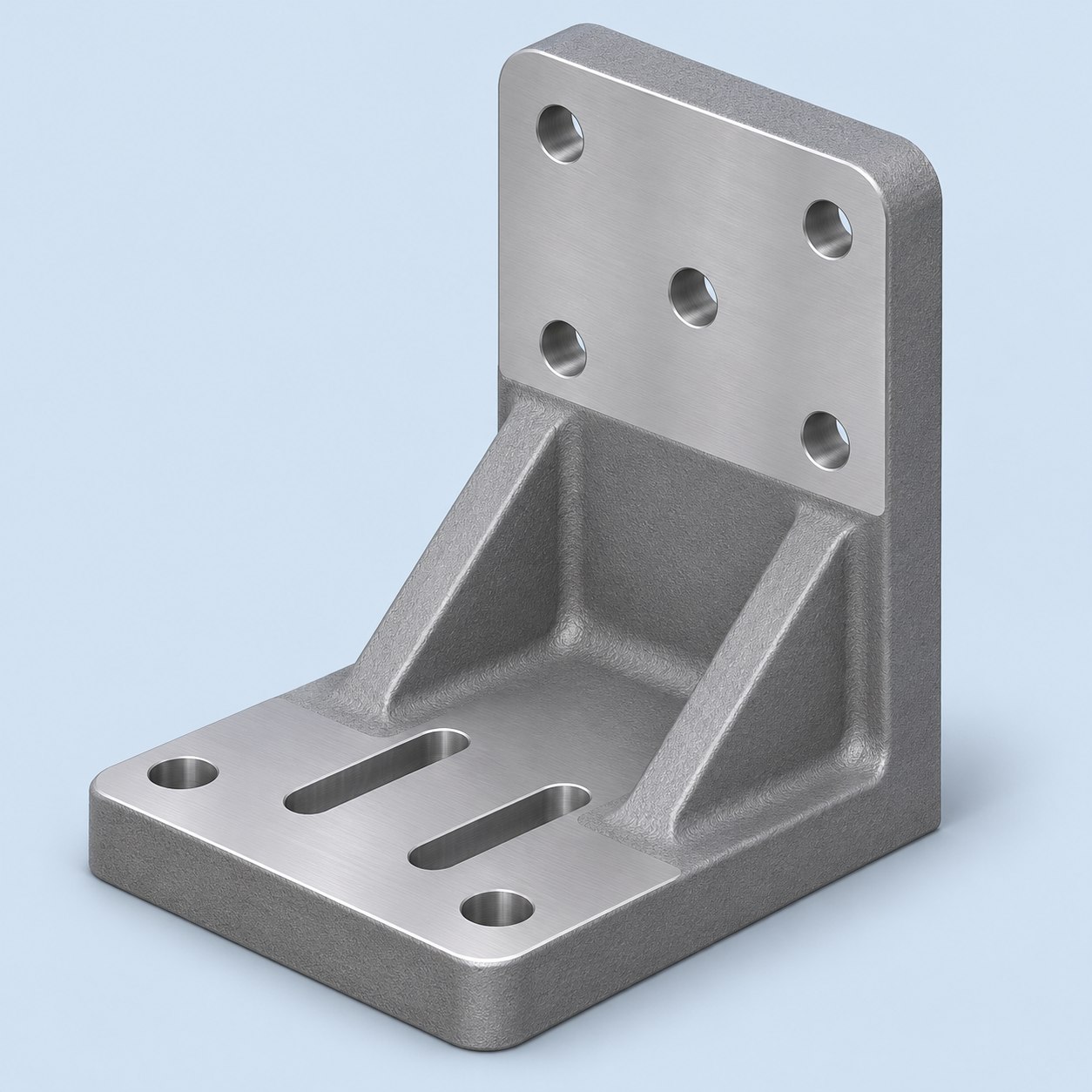
Record the indication’s location, shape, extent and relationship to the drawing. Include an overall photograph and a close view with a scale where appropriate. State whether the observation was made as cast, after cleaning, after machining or during service.
The Investment Casting Institute’s defect atlas distinguishes appearances and lists possible causes for several defect types. Its format is useful precisely because a symptom and a root cause are separate entries. Do not treat a visual resemblance as a confirmed diagnosis.
Preserve the batch and process context
Identify the casting reference, drawing revision, alloy, heat or batch records and affected quantity. Record whether the condition occurs repeatedly at the same feature or randomly. Keep suspect parts and relevant records traceable while the responsible team reviews them.
A defect that appears only after machining may have been hidden below the raw surface. Conversely, damage introduced during gate removal or handling should not automatically be classified as a solidification problem. The stage of discovery helps frame the investigation but does not prove when the condition originated.
Use the specified examination method
Choose examinations through the agreed inspection plan and responsible technical authority. Visual, surface and volumetric methods answer different questions. State the areas, coverage, procedure and acceptance criteria instead of requesting an undefined complete test.
Do not grind away an indication or carry out an unapproved repair before its disposition is agreed. Such work can remove evidence or change the component. Where repair is permitted, its method, inspection and documentation need a controlled approval route.
Separate containment from corrective action
Containment prevents suspect parts from being mixed into accepted supply. Root-cause analysis determines why the condition occurred. Corrective action changes the relevant process, and verification checks whether that change worked. These steps should not be collapsed into a single instruction to improve quality.
For repeated parts, compare the affected feature with the tooling, gating, shell and finishing records relevant to the investigation. The foundry should test its proposed explanation against evidence. Changing several variables at once can make it difficult to know which action addressed the problem.
Example: a cavity first exposed by machining
A raw casting may appear acceptable externally, while machining reveals an internal indication near a functional face. Record the part identity, location and machining stage before disposition. Preserve the evidence and compare it with the agreed examination and acceptance requirements. The observation warrants investigation, but the discovery stage alone does not identify the root cause or authorize a repair.
Close the issue against the component requirement
The final decision should identify which parts are accepted, rejected, repaired or subject to an approved concession. Link that decision to the agreed drawing and inspection requirement. A cosmetic concern and a discontinuity affecting a pressure boundary can require very different dispositions.
Our pump and valve component category and ball valve body casting page illustrate why application context matters. Product type alone does not define acceptance.
Enquiry checklist
| Investigation record | Include |
|---|---|
| Observation | Location, stage, images and measured extent |
| Traceability | Part revision, batch and affected quantity |
| Disposition | Acceptance basis, approved action and verification |
When reporting a concern to Foundry Queen, send the observation record and requirement together. Evidence-led investigation is more useful than assigning a defect name without a documented basis.
Technical reference
Investment Casting Institute: Atlas of Casting Defects. This reference provides technical context; it does not establish Foundry Queen certification or project approval.
Get Premium Casting Products
Join FoundryQueen.com Newsletter to get more information of different premium OEM Casting products in China.