 By Coco
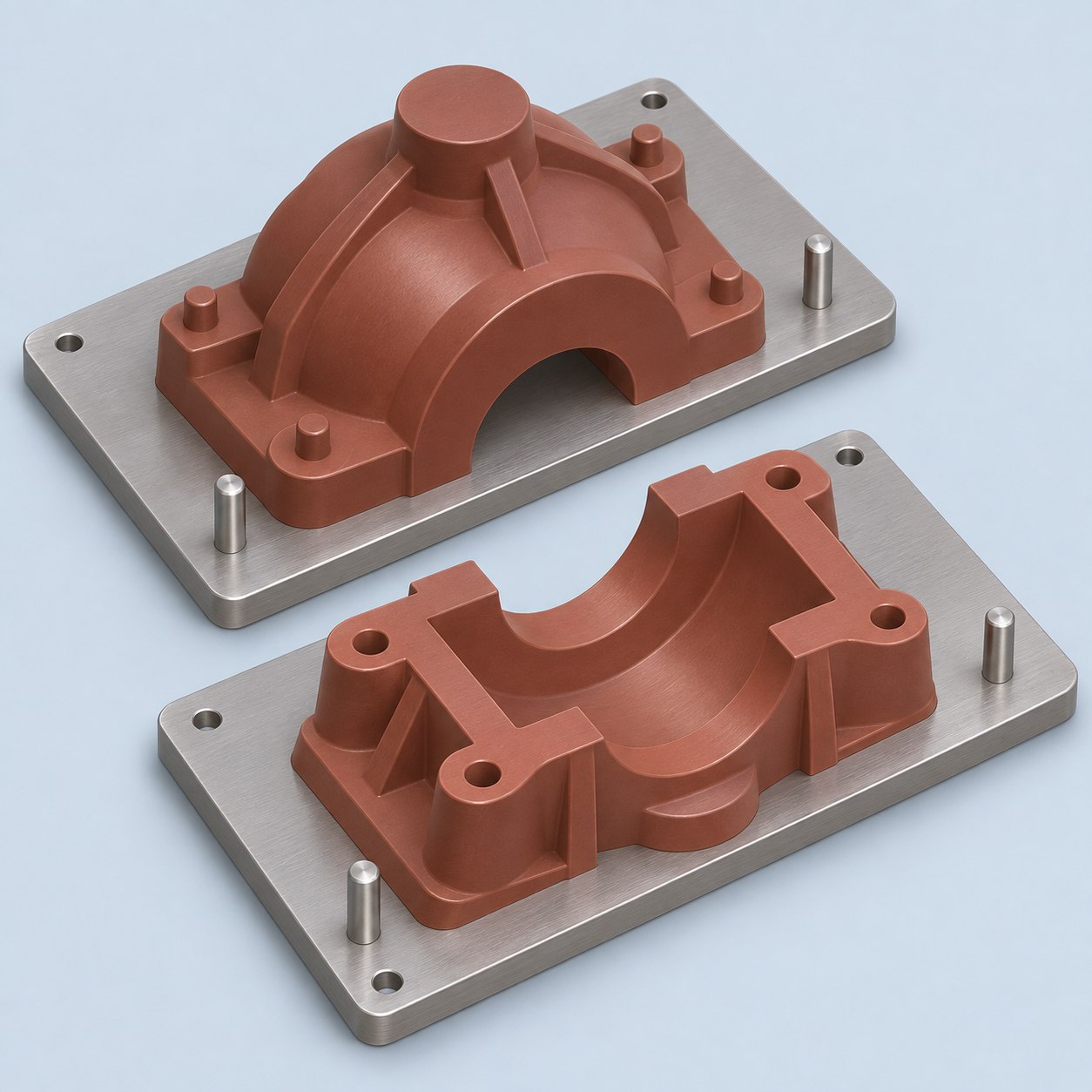
Investment casting tooling is often quoted as a single line, even though several distinct items and responsibilities may be involved. A wax injection die, a disposable pattern and a fixture used later in production are not the same asset. Foundry Queen recommends defining each tool and its approval purpose before an order is released.
Name the tool being purchased
Ask the foundry to identify the tooling needed for the proposed route. Distinguish reusable dies from expendable patterns and from fixtures used for assembly, machining or inspection. The quotation should say which items are included and which remain factory process equipment.
The production tooling category and casting pattern page provide context for different tooling functions. They should not be treated as evidence that one tool can serve every casting route.
Control the three related geometries
Keep the finished component, the casting before machining and the pattern definition separate. They are related through the approved manufacturing plan but need not have identical dimensions or features. Machining stock, gates and process allowances require a documented review.
When a supplier proposes a change to the production geometry, ask where it appears in the drawing set and what effect it has on the final part. Tool approval should not silently approve an undocumented change to a functional interface.
Define sample approval
State what the first tool trial must produce and how the samples will be inspected. A wax pattern review, a raw casting review and a finished-part approval demonstrate different stages. Identify which stage releases the next activity.
Agree how dimensional results and deviations will be recorded. If the tool requires correction, define how the revised version will be identified. Keep the sample reference linked to the exact tool and drawing revision so that later orders do not rely on an untraceable sample.
Write ownership and access terms plainly
Clarify who owns the tool, where it will be stored and what rights apply if production moves. Ownership does not automatically answer questions about handling, maintenance, transport or compatibility with another factory’s process. Put those obligations in the commercial agreement.
Ask whether routine maintenance, repair and replacement are included in the price. Define how wear or damage is reported and how a proposed tool modification is approved. Avoid relying on a vague promise of lifetime tooling without an agreed scope.
Example: ownership without a transfer plan
A buyer may own a die but have no agreement about storage, maintenance or transfer to another production site. If supply changes later, those missing terms can complicate access even though ownership is acknowledged. Define the practical obligations when the tool is ordered. Include identification, condition records and change approval so the asset remains understandable throughout its intended use.
Plan changes before they happen
Engineering changes can affect a die, a pattern assembly, machining fixtures and inspection programs at the same time. Ask the supplier to assess the complete impact before authorizing a modification. A small change to the model can create a larger production change.
For repeat orders, quote the tool reference and revision alongside the part drawing. Confirm that obsolete versions are controlled and that the production team uses the approved configuration. This makes tool investment support repeatability rather than becoming an undocumented one-time expense.
Enquiry checklist
| Tool agreement | Record |
|---|---|
| Scope | Die, patterns, fixtures and exclusions |
| Approval | Trial stage, sample records and revision |
| Ownership | Storage, maintenance, transfer and change rules |
For a tooling enquiry, send Foundry Queen the component drawing, expected quantities and required delivery condition. Compare tooling proposals by defined outputs and responsibilities, not only the initial price.
Technical reference
SFSA: Steel Castings Handbook, Supplement 2. This reference provides technical context; it does not establish Foundry Queen certification or project approval.
Get Premium Casting Products
Join FoundryQueen.com Newsletter to get more information of different premium OEM Casting products in China.